
Keeping your swimming pool safe, clean, and well-maintained during the off-season requires the right protective cover. When it comes to pool safety, homeowners often wonder which option is better, mesh or solid pool covers. Both types serve a similar purpose of preventing debris, enhancing safety, and protecting your pool, but they differ in design, functionality, and maintenance. Understanding these differences can help you choose the right cover for your pool, whether you are preparing for winter or looking for year-round protection.
At Feathers Bros Pool Service, we often guide Indianapolis homeowners through Pool Safety Cover Installations in Indianapolis, IN, helping them pick covers that suit their pool type, climate, and lifestyle. In this guide, we’ll break down the key differences between mesh and solid pool covers, explore their benefits, and offer expert maintenance tips to keep your pool in top condition.
Understanding Pool Safety Covers
Pool safety covers are designed to protect your pool from debris, prevent accidental falls, and reduce maintenance tasks during periods of non-use. They are an essential investment for homeowners who prioritize safety and water cleanliness. While there are multiple types of pool covers available, mesh vs solid pool covers are the most common choices for residential pools.
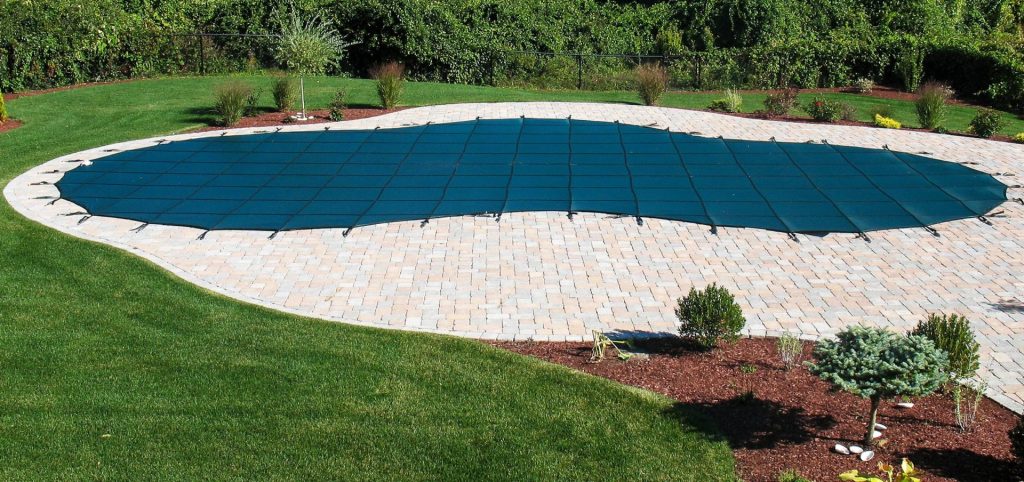
Mesh covers are crafted from tightly woven fabrics that allow water to pass through, while solid covers are made from impermeable materials that completely block sunlight and water infiltration. Choosing the right cover depends on your specific needs, climate, and maintenance preferences.
Mesh Pool Cover Benefits
Mesh pool covers have become popular because they strike a balance between safety and convenience. Some of the key mesh pool cover benefits include:
- Efficient Drainage: The tightly woven mesh allows rainwater and melted snow to drain through, reducing the risk of sagging or pooling on the surface.
- Debris Protection: Mesh covers block leaves, twigs, and other large debris from entering the pool, keeping water cleaner during winter or extended periods of non-use.
- Lightweight and Easy to Handle: Compared to solid covers, mesh covers are easier to install and remove, making them convenient for homeowners who handle pool maintenance themselves.
- Durable and Long-Lasting: Quality mesh covers are made to withstand harsh weather conditions, providing multi-season protection for your pool.
Mesh covers are ideal for areas with moderate precipitation and homeowners looking for a low-maintenance, easy-to-use solution.
Solid Pool Cover Advantages
On the other hand, solid pool covers offer a different set of benefits. Their construction is typically made from heavy-duty, non-porous materials that fully block sunlight and debris. Here are some notable solid pool cover advantages:
- Superior Algae Prevention: By blocking sunlight, solid covers prevent algae growth, ensuring that your pool water remains cleaner when you reopen it.
- Complete Debris Protection: Solid covers create a near-impenetrable barrier against leaves, dirt, and other contaminants, minimizing the need for extensive cleaning in spring.
- Long-Term Water Quality Benefits: Because solid covers limit sunlight and contaminants, pool chemical levels remain more balanced, reducing the effort required for chemical adjustments.
The main consideration with solid covers is water accumulation. Since rainwater cannot pass through, homeowners often need a cover pump to remove collected water, especially during heavy rainfall.
Pool Cover Maintenance Tips
Regardless of whether you choose a mesh or solid cover, proper upkeep ensures your cover lasts longer and continues to protect your pool effectively. Here are some essential pool cover maintenance tips:
- Regular Debris Removal: Even mesh covers can collect fine debris. Use a soft brush or leaf blower to clear leaves and dirt regularly.
- Check for Tears or Damage: Inspect your cover periodically for wear and tear, especially around straps and anchor points. Repair small rips promptly to prevent further damage.
- Water Management: For solid covers, always use a cover pump to remove accumulated water. For mesh covers, check drainage areas to prevent pooling.
- Proper Storage: When removing the cover, clean and dry it thoroughly before storing to prevent mold or mildew.
Following these simple steps ensures your pool remains safe, clean, and ready for the swimming season.
Best Pool Cover for Winter
Selecting the best pool cover for winter depends on your climate and how much maintenance you’re willing to perform. Mesh covers are excellent for areas with heavy rainfall since they allow water to drain through, while solid covers are ideal for regions where algae growth is a concern and complete debris protection is desired.
Some homeowners even combine approaches, using a mesh cover for convenience and adding a lightweight solid cover for maximum winter protection. Consulting with experts like Feathers Bros Pool Service can help you determine the most suitable option for your Indianapolis pool, ensuring safety, cleanliness, and ease of maintenance throughout the winter months.
Making the Right Choice
Choosing between mesh vs solid pool covers ultimately comes down to your priorities:
- If you value ease of use, lightweight handling, and natural drainage, a mesh cover may be your best choice.
- If your main focus is maximum debris protection and water cleanliness, a solid cover is often the superior option.
By weighing the mesh pool cover benefits against the solid pool cover advantages, you can make an informed decision that keeps your pool safe, reduces maintenance, and ensures a smooth reopening in the spring.
FAQs
- Are mesh pool covers safe for children and pets?
Yes. Mesh pool covers are designed to support weight to some extent, but solid covers generally offer more reliable safety in extreme cases. Always follow manufacturer guidelines for safety. - How long do mesh and solid pool covers last?
With proper maintenance, both types can last 5–10 years. Regular cleaning, inspections, and secure installation extend their lifespan. - Can rainwater damage solid pool covers?
Accumulated water can strain a solid cover. Using a cover pump regularly prevents sagging and potential tears. - Which cover is better for preventing algae growth?
Solid covers block sunlight entirely, making them more effective at preventing algae compared to mesh covers. - Can I install a pool cover myself?
Some covers can be DIY-installed, but professional installation ensures proper tension, anchoring, and long-term durability. Feathers Bros Pool Service provides expert Pool Safety Cover Installations in Indianapolis, IN for peace of mind.
Conclusion
Choosing between mesh vs solid pool covers is an essential decision for pool owners who want safety, cleanliness, and minimal maintenance. While mesh covers offer easy handling and efficient drainage, solid covers provide superior debris protection and algae prevention. Understanding their unique advantages and maintenance needs helps you make a smart choice for your pool.
For professional advice and installation, Feathers Bros Pool Service in Indianapolis can guide you in selecting the ideal cover and provide expert installation services to keep your pool safe and ready for any season.