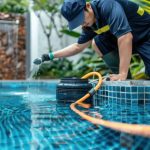

Maintaining clean, clear, and healthy pool water is about more than just appearance. Proper Pool Chemical Balancing plays a critical role in swimmer safety, comfort, and the overall longevity of your pool system. When chemical levels are off, pool water can quickly turn cloudy, harbor harmful bacteria, or cause irritation to the skin and eyes. Consistent attention to water chemistry helps ensure your pool remains a safe and inviting place for family and guests.
Balanced water allows sanitizers to work efficiently while protecting pool surfaces, heaters, pumps, and filters from unnecessary wear. Whether you manage a residential pool or a commercial swimming facility, understanding how chemical balance works can help prevent costly repairs and reduce ongoing maintenance issues. With the right approach, pool care becomes more predictable, effective, and stress-free.
Why Pool Chemical Balancing Is Essential for Safe Swimming?
Effective Pool Chemical Balancing ensures that your pool water stays within safe chemical ranges that support sanitation and swimmer comfort. When levels such as chlorine, pH, and alkalinity are properly adjusted, bacteria and algae are eliminated more efficiently, reducing the risk of waterborne illnesses.
Unbalanced water can lead to several problems, including slippery surfaces, strong chemical odors, and cloudy water. Over time, poor balance may also damage pool liners, corrode metal components, and reduce the lifespan of expensive equipment. Consistent monitoring and small adjustments help avoid these issues before they escalate into major repairs or unsafe swimming conditions.
Pool Chemical Balancing Basics Every Pool Owner Should Know
Understanding the fundamentals of Pool Chemical Balancing starts with knowing the key chemical components that affect water quality. Chlorine is the primary sanitizer, responsible for killing bacteria and controlling algae. pH levels determine how acidic or basic the water is, directly impacting swimmer comfort and chlorine effectiveness.
Total alkalinity acts as a buffer for pH, preventing sudden fluctuations that can make water difficult to manage. Calcium hardness protects pool surfaces by preventing corrosion or scaling. Keeping these elements in harmony ensures water clarity, protects pool finishes, and helps maintain consistent sanitation throughout the swimming season.
Pool Chemical Maintenance for Long-Term Water Quality
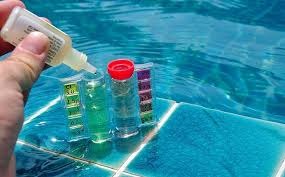
Pool chemical maintenance is the foundation of a healthy swimming environment. Regular testing allows pool owners to identify imbalances early and make corrections before water quality declines. Weekly testing during peak swimming months is recommended, while less frequent testing may be sufficient during cooler seasons.
Consistent maintenance helps prevent algae blooms, staining, and equipment damage. Using high-quality testing kits and storing chemicals properly also improves accuracy and safety. A routine approach minimizes guesswork and ensures your pool remains clear, safe, and ready to use at all times.
Pool Water Treatment for Clear and Inviting Pools
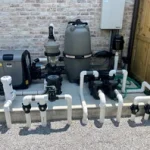
Pool water treatment focuses on keeping water visually appealing while maintaining hygienic conditions. This process includes sanitization, oxidation, and filtration working together to remove contaminants. Shocking the pool periodically helps eliminate organic waste such as sweat, oils, and debris that regular chlorine levels may not fully address.
Proper water treatment improves circulation efficiency and enhances filter performance. When combined with regular cleaning and chemical testing, this approach results in water that looks sparkling and feels refreshing. Clear water is often the first sign that your chemical care routine is working effectively.
Pool Chemical Dosing Accuracy Matters
Correct pool chemical dosing is essential for maintaining balance without overcorrecting. Adding too much of any chemical can be just as harmful as adding too little. Overdosing chlorine, for example, can cause eye irritation and damage pool liners, while underdosing may allow bacteria and algae to thrive.
Always follow manufacturer guidelines and measure chemicals carefully before adding them to the pool. Introducing chemicals slowly and allowing time for circulation helps prevent sudden chemical swings. Accurate dosing promotes stability, reduces chemical waste, and keeps water conditions consistent for swimmers.
Pool Hygiene Chemicals and Swimmer Safety
Pool hygiene chemicals are designed to protect swimmers by controlling bacteria, viruses, and algae. Sanitizers, algaecides, and clarifiers all play a role in maintaining clean water. When used correctly, these products work together to enhance water clarity and safety without causing discomfort.
Good hygiene practices, such as showering before swimming and keeping debris out of the pool, also support chemical effectiveness. Combining proper chemical use with responsible swimmer behavior reduces the overall demand on your pool’s sanitation system.
Professional Pool Care Makes a Difference
While many pool owners handle basic maintenance themselves, professional service adds an extra layer of reliability. Expert technicians understand how weather, usage, and water source variations affect chemistry. Hiring a trusted provider for Pool Chemical Balancing in Indianapolis, IN, Feathers Bros Pool Service ensures precise adjustments, consistent testing, and long-term water quality you can rely on.
Professional care helps prevent recurring issues, protects expensive equipment, and gives you peace of mind knowing your pool meets safety standards. With expert support, you can focus more on enjoying your pool and less on managing chemical levels.
Conclusion
Maintaining proper chemical levels is one of the most important responsibilities of pool ownership. When balance is achieved, your pool stays cleaner, safer, and more enjoyable for everyone. A proactive approach that includes regular testing, accurate dosing, and routine maintenance leads to consistently sparkling water.
By following proven tips and investing in quality care, you protect both your swimmers and your pool investment. Over time, a well-maintained pool requires fewer corrections and delivers a better swimming experience season after season.
FAQs
- How often should pool water be tested?
Pool water should be tested at least once a week during heavy use and every two weeks during low-use periods. - What happens if pool pH is too high or too low?
Incorrect pH can cause skin and eye irritation, reduce chlorine effectiveness, and damage pool surfaces or equipment. - Is shocking the pool really necessary?
Yes, shocking helps remove organic contaminants that regular sanitizer levels may not fully eliminate. - Can I add multiple chemicals at the same time?
It is best to add chemicals separately and allow proper circulation to avoid dangerous reactions or inaccurate results. - When should I call a professional pool service?
If water problems persist despite regular maintenance or chemical levels fluctuate frequently, professional service is recommended.