
A clean and clear swimming pool begins with a properly functioning filter. Pool filters are essential for removing debris, dirt, and contaminants from your water. However, like any mechanical system, they can develop issues over time. Knowing how to identify and troubleshoot common pool filter problems can save you time, money, and frustration while keeping your pool safe for swimmers. In this guide, we’ll explore the most frequent pool filter problems, practical solutions, and tips to maintain your pool equipment in peak condition.
Understanding Pool Filter Problems
Pool filter problems can range from minor annoyances to major malfunctions that compromise water quality. Some of the most common signs include reduced water flow, cloudy water, unusual noises, or debris bypassing the filter. Filters come in several types, including sand, cartridge, and DE (diatomaceous earth) models. Each has specific maintenance requirements and troubleshooting methods, but many problems share similar causes, such as clogs, worn parts, or pump issues. Identifying the source early can prevent more expensive repairs down the line.
Common Signs Your Pool Filter Needs Attention
One of the first steps in troubleshooting is recognizing the warning signs. Here are common indicators of pool filter problems:
- Reduced water flow: If water is moving slowly through the system, it may indicate a clogged filter or an issue with the pool pump.
- Cloudy water: A dirty or malfunctioning filter can’t remove debris effectively, resulting in murky water.
- Unusual noises: Grinding or squealing sounds can signal mechanical problems in the pump or filter.
- Visible debris: Leaves or particles bypassing the filter may indicate cracks or worn components.
Noticing these signs early allows you to take corrective action before damage worsens.
Pool Filter Maintenance and Cleaning
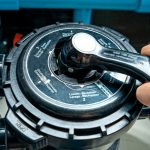
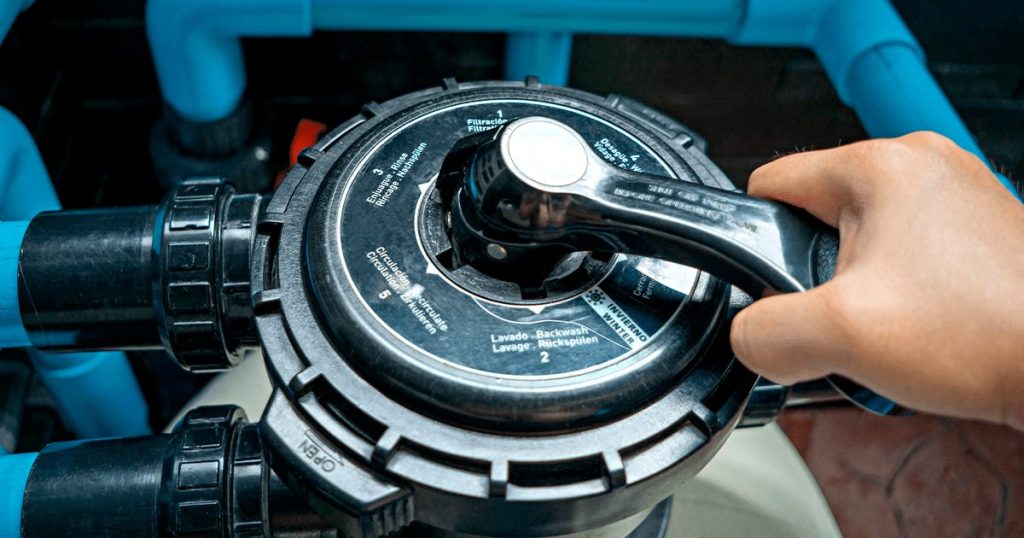
Regular pool filter maintenance and cleaning is the most effective way to prevent common issues. Sand filters should be backwashed periodically to remove trapped debris, while cartridge filters require removal and rinsing with a hose. DE filters need their grids cleaned and replenished with fresh diatomaceous earth. Routine maintenance not only improves filtration efficiency but also extends the lifespan of your equipment. Simple steps like checking pressure gauges, inspecting o-rings, and ensuring proper water flow can prevent many problems before they start.
Troubleshooting Pool Pump Not Working Solutions
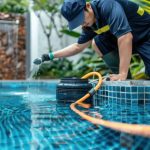
Sometimes, what seems like a filter problem is actually linked to the pool pump. If the pool pump is not working, the filter cannot circulate water properly, causing pressure issues or cloudy water. Check for blockages in the pump strainer basket, inspect the impeller for debris, and ensure the motor is functioning. Electrical issues can also prevent the pump from operating correctly. Addressing these problems can restore proper filtration and prevent further pool filter problems.
When to Consider Pool Filter Repair Services
While many issues can be handled with routine maintenance, some situations require professional intervention. If your filter is leaking, not maintaining proper pressure, or has worn-out components, contacting Pool filter repair services in Indianapolis, IN is recommended. Professionals like Feathers Bros Pool Service can diagnose the problem accurately, repair or replace parts, and ensure your pool operates safely and efficiently. This step saves you from costly trial-and-error fixes and helps maintain the longevity of your pool equipment.
Cloudy Pool Water Solutions
Cloudy water is one of the most common symptoms of pool filter problems. Even after cleaning, you may notice your water is still hazy. Causes can include chemical imbalances, algae growth, or a filter that is unable to remove fine particles. Cloudy pool water solutions often involve cleaning or replacing the filter, balancing chemicals, and running the filtration system continuously until clarity is restored. Regular maintenance combined with proper chemical monitoring can prevent recurring cloudiness.
Choosing a Pool Filter Cleaning Service
For many homeowners, routine cleaning can be overwhelming. Hiring a professional pool filter cleaning service ensures that your filter operates efficiently year-round. A cleaning service will remove debris, inspect the filter components, and perform minor repairs as needed. This is especially helpful for DE and cartridge filters, which require more detailed handling. By investing in professional cleaning, you minimize the risk of pool filter problems and protect your pool investment.
Overall Pool Equipment Maintenance
Regular pool equipment maintenance is the key to preventing issues before they become serious. Along with filter care, maintain the pump, skimmer, and other accessories to ensure the entire system functions smoothly. Simple steps like checking for leaks, lubricating o-rings, and monitoring pressure gauges can make a big difference. When your equipment is well-maintained, your pool stays clean, clear, and ready for use.
Preventative Tips for Homeowners
- Inspect filters and pumps weekly to catch early signs of trouble.
- Clean cartridges, backwash sand filters, and replace DE as needed.
- Monitor chemical balance regularly to support filtration efficiency.
- Keep the pool area free of debris that could enter the system.
- Schedule professional maintenance at least once a year to address hidden issues.
By following these tips, you reduce the risk of expensive repairs and enjoy a consistently healthy swimming pool.
FAQs
- How often should I clean my pool filter?
Depending on the type, cartridge filters may need cleaning every 4–6 weeks, sand filters should be backwashed every 1–2 months, and DE filters require cleaning each season. - Can a dirty pool filter cause my pool pump to fail?
Yes. A clogged filter forces the pump to work harder, which can cause overheating or motor damage over time. - Why is my pool water still cloudy after cleaning the filter?
Cloudiness can result from chemical imbalances, algae growth, or fine particles too small for your filter. Balancing chemicals and running the filter longer usually resolves the issue. - When should I call a professional for pool filter repair?
Call a professional if the filter is leaking, the pressure gauge shows abnormal readings, or mechanical components are damaged. - Can regular maintenance prevent all pool filter problems?
While routine maintenance significantly reduces issues, some problems may arise due to wear, environmental factors, or equipment age. Regular inspections help catch problems early.
A well-maintained filter is essential to a clean, safe, and enjoyable swimming pool. By understanding pool filter problems, performing regular maintenance, and knowing when to call professionals, you can ensure your pool stays crystal clear all season long. Whether it’s cleaning, minor repairs, or professional service from Feathers Bros Pool Service, taking proactive steps keeps your pool equipment in top condition and your water sparkling.