
Owning a swimming pool is a great way to enjoy your home, but it also comes with responsibility. Without consistent care, small maintenance issues can quickly turn into expensive repairs that disrupt your swim season and strain your budget. Following a clear and organized Pool Care Checklist helps homeowners stay ahead of potential problems, protect pool equipment, and extend the life of their investment. Preventive care is always more affordable than emergency repairs, and it starts with understanding what your pool needs on a regular basis.
This guide breaks down essential residential pool care tasks into manageable sections so nothing gets overlooked. By following a structured approach, you can reduce wear and tear on equipment, maintain safe water conditions, and avoid unnecessary service calls throughout the year.
Why a Pool Care Checklist Is Essential for Homeowners
A reliable Pool Care Checklist provides consistency and peace of mind. Pools rely on multiple interconnected systems, including circulation, filtration, and sanitation, all of which must work together efficiently. When routine tasks are skipped, problems like clogged filters, chemical imbalances, or pump strain can develop quietly. Over time, these issues often result in damaged equipment, poor water quality, and costly repairs that could have been prevented with simple inspections.
Using a checklist ensures that maintenance tasks are performed on schedule, helping homeowners identify early warning signs before they escalate. This proactive approach not only saves money but also keeps your pool ready for use whenever you need it.
Residential Pool Maintenance Basics That Protect Your Investment
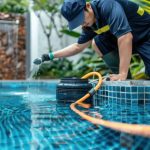
Effective residential pool maintenance starts with visual inspections and basic cleaning. Skimming leaves and debris from the water surface prevents organic matter from sinking and staining the pool floor. Brushing walls and steps reduces algae buildup and improves circulation, while maintaining proper water levels protects pumps from running dry.
Consistent residential pool maintenance also includes monitoring pool surfaces for cracks, checking for visible leaks, and ensuring drain covers and safety features remain intact. These small tasks, when done regularly, play a major role in preventing structural damage and extending the lifespan of your pool.
Pool Equipment Maintenance to Avoid Major Breakdowns
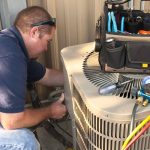
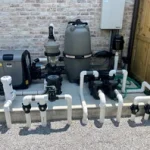
One of the most important sections of any Pool Care Checklist focuses on pool equipment maintenance. Pumps, heaters, and automated systems work hard to keep your pool functioning properly. Listening for unusual noises, watching for reduced water flow, and inspecting connections can help identify early signs of mechanical stress.
Lubricating O-rings, checking pressure gauges, and keeping equipment areas clean improves efficiency and reduces strain. Proactive pool equipment maintenance helps prevent sudden failures, minimizes downtime, and avoids the high cost of replacing major components during peak swim season.
Pool Chemical Balancing for Long-Term Protection
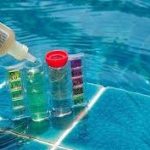
Proper pool chemical balancing is essential for both swimmer safety and equipment longevity. Unbalanced water can corrode metal components, damage liners, and reduce the effectiveness of sanitizers. Testing water chemistry regularly allows homeowners to maintain correct pH, chlorine, and alkalinity levels.
Consistent chemical care protects surfaces and prevents scale buildup inside plumbing lines. Including water testing as part of your Pool Care Checklist ensures balanced water that looks clear, feels comfortable, and does not cause long-term damage to your pool system.
Weekly Pool Maintenance Checklist Homeowners Should Follow
A structured Weekly pool maintenance checklist keeps routine tasks simple and manageable. Weekly responsibilities typically include skimming debris, brushing pool surfaces, testing water chemistry, and emptying skimmer baskets. Checking equipment operation and verifying proper circulation ensures problems are caught early.
By completing these tasks on a weekly basis, homeowners reduce the risk of algae growth, cloudy water, and equipment strain. A dependable Pool Care Checklist makes weekly maintenance easier to follow and less time-consuming.
Pool Filter Cleaning and Inspection to Improve Circulation
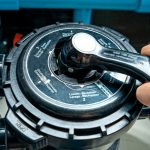
Pool filter cleaning and inspection is a critical step in maintaining efficient water circulation. Dirty or clogged filters force pumps to work harder, increasing energy costs and accelerating equipment wear. Depending on the filter type, cleaning or backwashing should be performed on a regular schedule.
Inspecting filters for cracks, worn parts, or pressure changes helps identify problems before they affect overall performance. Including filter care in your Pool Care Checklist supports clean water, consistent flow, and reduced stress on pool equipment.
When Professional Pool Care Makes a Difference
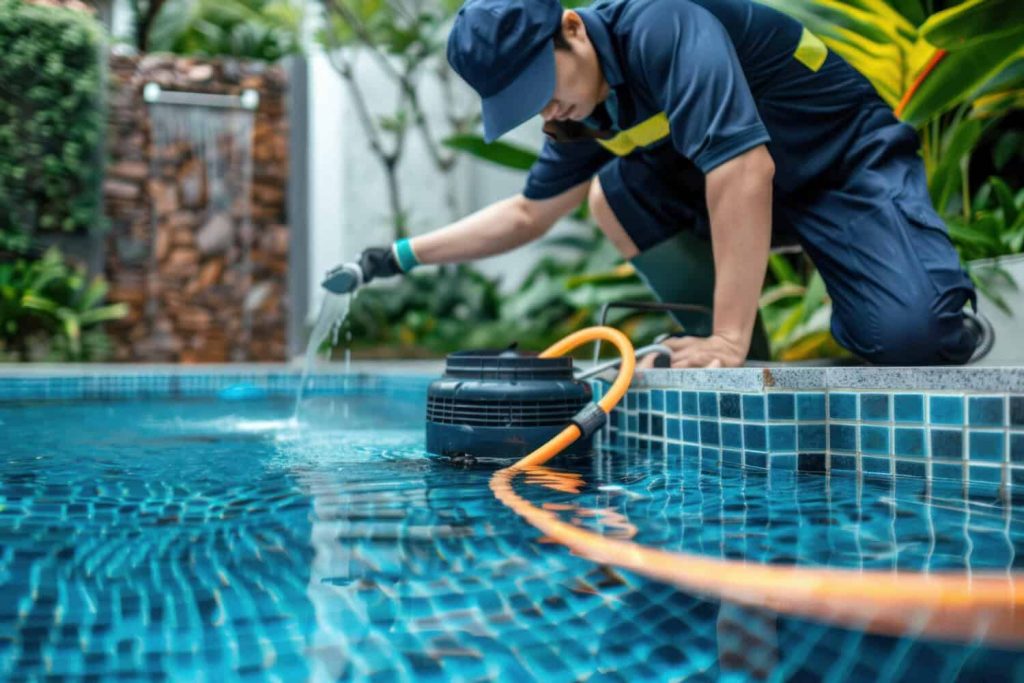
Even with diligent upkeep, some maintenance tasks require professional expertise. Working with experienced technicians ensures complex issues are addressed correctly and safely. Homeowners seeking reliable Pool Maintenance Services in Indianapolis, IN often rely on trusted local experts to handle detailed inspections, repairs, and seasonal maintenance.
At Feathers Bros Pool Service, professional care complements routine homeowner maintenance by providing thorough evaluations and expert solutions that prevent long-term damage and unexpected expenses.
Long-Term Benefits of Following a Pool Care Checklist
Sticking to a consistent Pool Care Checklist delivers long-term value. Preventive maintenance reduces repair costs, improves water quality, and extends the lifespan of pool components. Homeowners also enjoy fewer disruptions, improved safety, and greater confidence knowing their pool is properly maintained.
By addressing small issues early and maintaining a structured care routine, you protect your investment and ensure your pool remains a source of enjoyment for years to come.
FAQs
- How often should I follow a pool care checklist?
A pool care checklist should be followed weekly, with additional seasonal tasks performed at the beginning and end of swim season. - Can poor maintenance really cause expensive pool repairs?
Yes, neglected maintenance often leads to damaged pumps, clogged filters, chemical corrosion, and leaks that require costly repairs. - Is pool chemical balancing necessary even if water looks clear?
Absolutely. Clear water does not always mean balanced water, and improper chemistry can still damage equipment and surfaces. - How do I know when my pool filter needs cleaning?
Rising pressure readings, reduced circulation, or cloudy water are common signs that filter cleaning is needed. - Should homeowners still hire professionals if they follow a checklist?
Yes, professional inspections and servicing provide added protection by identifying hidden issues and handling complex repairs safely.