A pool can look sparkling clean on the surface and still have hidden water problems underneath. Imagine stepping into your backyard pool on a warm summer afternoon, expecting a refreshing swim, only to notice irritated eyes, dry skin, or water that feels slightly different than usual. These small signs often point to an imbalance that cannot always be seen.
This is why pool water testing matters for safe swimming. Testing helps you understand what is happening inside your pool water and allows you to make informed decisions before minor issues become bigger problems. From maintaining proper sanitizer levels to protecting your pool equipment, regular testing is one of the most important parts of responsible pool ownership.
Key Takeaways
- Balanced pool water helps create a safer and more comfortable swimming environment.
- Regular testing helps identify chemical problems before they affect water quality.
- Understanding pH, chlorine, and alkalinity levels makes pool care more predictable.
- Professional support can help maintain consistent water conditions throughout the swimming season.
What Is Pool Water Testing?
Pool water testing is the process of checking your pool’s chemical levels to ensure the water remains balanced, clean, and safe for swimmers.
A proper test typically measures important factors such as chlorine, pH, alkalinity, and calcium hardness. These elements work together to maintain healthy water conditions and protect your pool structure and equipment.
Many homeowners think clear water automatically means safe water. While clear water is a positive sign, it does not always reveal whether your chemical levels are correct. Water can appear clean while still having problems that affect swimmers or contribute to long-term damage.
Why Pool Water Testing Matters for Safe Swimming
Your pool is a living environment that changes constantly. Rain, sunlight, swimmers, debris, and temperature changes can all affect your water chemistry. Without regular checks, these changes can slowly create problems.
One of the biggest reasons pool water testing is important is that it helps maintain the right chemical balance. When water chemistry is not properly managed, swimmers may experience discomfort, and your pool may become harder to maintain.
For example, improper pH levels can affect how well chlorine works. If chlorine becomes less effective, your pool may struggle with cloudy water or unwanted growth. Regular testing allows you to adjust chemicals accurately instead of adding products based on guesswork.
The Centers for Disease Control and Prevention (CDC) recommends maintaining proper disinfectant and pH levels in treated recreational water to reduce health risks associated with contaminated water. You can find their guidance here: https://www.cdc.gov/healthy-swimming/about/index.html
Understanding the Main Parts of Pool Water Chemistry
A good pool water testing guide starts with understanding the key measurements that influence water quality.
Chlorine Levels
Chlorine helps control bacteria and other unwanted contaminants in pool water. Maintaining appropriate chlorine levels for swimming pools allows the sanitizer to work effectively while keeping the water comfortable.
Too little chlorine can allow contaminants to build up, while excessive chlorine may cause unpleasant odors or irritation.
pH Levels
The pH levels in pool water measure how acidic or alkaline the water is. Keeping pH balanced helps chlorine perform properly and protects pool surfaces and equipment.
When pH moves too far outside the ideal range, it can contribute to issues like cloudy water, scaling, or swimmer discomfort.
Alkalinity
Alkalinity acts as a stabilizer for pH. Regular alkalinity testing for pools helps prevent sudden chemical changes and makes it easier to maintain consistent water conditions.
Calcium Hardness
Calcium hardness affects the mineral balance of your pool water. Incorrect levels may contribute to surface damage or deposits over time.
Understanding these elements gives homeowners a clearer picture of their overall pool water chemistry and makes maintenance decisions easier.
A Simple Framework for Better Pool Water Care
Instead of randomly adding chemicals whenever a problem appears, use the “Test, Understand, Adjust” approach.
1. Test Regularly
Create a consistent testing routine based on your pool usage, weather conditions, and seasonal needs.
2. Understand the Results
Do not focus on a single number. Pool chemistry works as a system, and each measurement affects the others.
3. Adjust Carefully
Make gradual changes and allow time for chemicals to circulate before making additional adjustments.
This simple framework helps prevent overcorrection and supports more reliable pool maintenance.
Common Mistakes Homeowners Make With Pool Water Testing
Even well-intentioned pool owners can make mistakes when managing water chemistry. Recognizing these common issues can save time and money.
| Practice | When it helps | Simple cue | Mistake |
| Testing water regularly | During swimming season | Check before problems appear | Waiting until water looks bad |
| Monitoring chlorine | After heavy pool use or weather changes | Notice changes in water clarity | Adding too much sanitizer |
| Checking pH balance | When water feels uncomfortable | Test before chemical adjustments | Ignoring small changes |
| Tracking alkalinity | When pH keeps shifting | Review overall balance | Treating symptoms only |
One common mistake is relying only on appearance. A clear pool is not always a balanced pool. Another mistake is adding chemicals without testing first. This can create unnecessary adjustments and make water management more complicated.
How to Test Pool Water Correctly
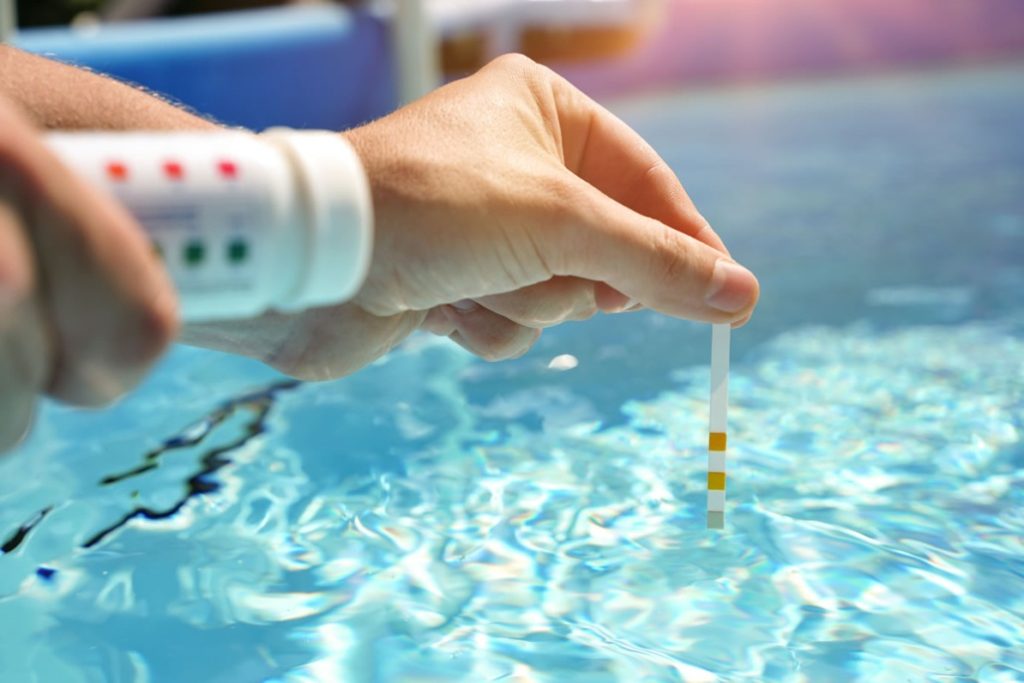
Many homeowners wonder how to test pool water effectively. The process is simple when done consistently.
- Collect a water sample from below the surface, away from return jets.
- Use a reliable test kit or testing method to measure chemical levels.
- Compare results with recommended ranges for your pool type.
- Make necessary adjustments based on the results.
- Retest after chemicals have had time to circulate.
The goal is not just to test frequently but to understand what the results mean.
Real-Life Example: Small Changes Prevent Bigger Problems
Consider a homeowner who notices their pool water looks slightly cloudy after a week of heavy swimming and hot weather. Instead of immediately adding several chemicals, they test the water first.
The results show that chlorine levels are low and pH is slightly unbalanced. After making the correct adjustments, the water returns to normal without unnecessary chemical use.
This situation happens often because small changes in water conditions are easier to manage when they are identified early. Consistent testing turns pool care from a guessing game into a routine process.
How Professional Pool Care Supports Better Water Quality
While many homeowners handle basic maintenance themselves, maintaining consistent water conditions can become challenging with busy schedules, changing weather, or complex pool systems.
Professional technicians understand how different factors influence water quality and can help identify problems before they become expensive repairs. For homeowners looking for reliable Pool Chemical Balancing in Indianapolis, IN, Feathers Bros Pool Service provides professional pool care solutions designed to keep water balanced and equipment operating properly.
Misconceptions About Pool Water Testing
“My Pool Looks Clean, So I Don’t Need Testing”
Clear water does not guarantee balanced chemistry. Testing reveals problems that may not be visible.
“More Chemicals Mean Cleaner Water”
Adding extra chemicals without testing can create imbalance and may lead to additional issues.
“Testing Is Only Needed When There Is a Problem”
Regular testing works best as prevention. It helps maintain consistent conditions rather than reacting after damage occurs.
When Should You Schedule Professional Help?
Professional assistance may be useful when:
- Water chemistry remains difficult to balance.
- You experience repeated algae problems.
- Your pool equipment shows signs of stress.
- You are unsure how to interpret test results.
- You want a consistent maintenance routine.
Experts can provide guidance, accurate testing, and ongoing care that supports better swimming conditions.
Frequently Asked Questions
How often should I test my pool water?
Most pools benefit from regular testing during the swimming season. Testing frequency may increase after heavy use, storms, or noticeable water changes.
Yes, many homeowners use test kits at home. However, professional testing can provide additional accuracy and help identify more complex issues.
What happens if pool water is not tested regularly?
Without testing, chemical imbalances may develop, leading to cloudy water, algae issues, swimmer discomfort, or equipment problems.
How does Feathers Bros Pool Service help with pool water quality?
Feathers Bros Pool Service helps homeowners maintain balanced water conditions through professional pool care, maintenance, and expert guidance. Contact them at 317-522-8148 or [email protected] for assistance.
When is the best time for pool water testing?
Testing is especially important during periods of frequent swimming, extreme weather, after heavy rainfall, or whenever water quality changes.
Conclusion
Safe swimming starts with understanding what is happening beneath the surface. Pool water testing gives homeowners the information needed to maintain balanced water, protect their investment, and create a more enjoyable swimming experience.
Regular checks of chlorine, pH, alkalinity, and other factors help prevent problems before they become costly. With consistent attention and the right approach, maintaining excellent water quality becomes much easier.
Making pool water testing part of your regular maintenance routine is a simple step that supports cleaner, healthier, and safer swimming all season long.
Summary
Maintaining balanced pool water requires more than visual inspection. Regular testing helps identify chemical changes, supports better water quality, and prevents avoidable problems. By understanding pool chemistry and following a consistent care routine, homeowners can enjoy a safer and more comfortable swimming environment.