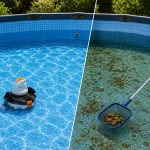
The pool looked fine yesterday.
The water was clear. The circulation system seemed normal. Then this morning, something changed. The water is barely moving. The pump sounds different. Maybe it will not start at all.
For many homeowners, that moment triggers immediate concern. A pool pump is the heart of the circulation system, and when it stops working properly, water quality can quickly suffer.
The good news is that Pool Pump Failure does not automatically mean the pump must be replaced. Some issues have simple causes. Others require professional repair. The key is understanding the symptoms, identifying possible causes, and determining the right next step before spending money on equipment.
Key Takeaways
- Pool pump failure can result from electrical issues, worn components, restricted water flow, or normal aging.
- Early warning signs often appear before complete pump failure occurs.
- Basic visual inspections can help identify obvious problems.
- Diagnosing the actual cause is more important than immediately replacing the pump.
What Is Pool Pump Failure?
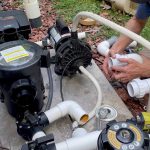
Pool Pump Failure occurs when a pool pump can no longer circulate water properly or stops operating altogether.
The failure may be complete, such as a pump that will not start, or partial, such as reduced flow, unusual noises, or recurring shutdowns.
Because several different problems can produce similar symptoms, identifying the root cause is essential before deciding on repair or replacement.
Why Pool Pumps Matter So Much
A pool pump does far more than move water.
It helps:
- Circulate chemicals
- Support filtration
- Improve water clarity
- Reduce stagnant areas
- Protect other pool equipment
When the pump struggles, the entire circulation system can be affected.
That is why even minor symptoms deserve attention before they develop into larger issues.
Common Causes of Pool Pump Failure
Most cases of Pool Pump Failure can be traced to a handful of common causes.
Electrical Problems
Electrical issues are one of the most common reasons a pump suddenly stops working.
Potential causes include:
- Tripped breakers
- Wiring problems
- Damaged capacitors
- Faulty electrical connections
Because electricity is involved, these issues should be handled carefully and often require professional diagnosis.
Motor Wear
Pump motors experience wear over time.
Years of operation can eventually lead to:
- Overheating
- Reduced efficiency
- Bearing failure
- Motor burnout
A motor approaching the end of its service life may begin producing warning signs before failing completely.
Restricted Water Flow
A pump depends on consistent water movement.
Flow restrictions can occur because of:
- Dirty filters
- Blocked skimmer baskets
- Clogged pump baskets
- Closed valves
These issues may create symptoms that resemble mechanical failure even when the pump itself is still functional.
Air Leaks
Air entering the circulation system can interfere with pump performance.
Possible signs include:
- Bubbles in return lines
- Difficulty maintaining prime
- Reduced circulation
Air leaks are often overlooked during initial troubleshooting.
Normal Aging
Even well-maintained pumps eventually wear out.
Seals, bearings, motors, and other components may deteriorate over time.
Age alone does not determine whether replacement is necessary, but it is an important factor.
Early Warning Signs Homeowners Should Not Ignore
Many pumps provide warnings before they stop working completely.
Recognizing those signs early can help reduce repair costs and prevent secondary equipment damage.
Unusual Noises
A healthy pump generally operates with a consistent sound.
Warning noises may include:
- Grinding
- Screeching
- Rattling
- Humming
Changes in sound often indicate developing mechanical issues.
Weak Water Flow
Reduced circulation is a common symptom of pool pump problems.
Water may move more slowly through:
- Return jets
- Filters
- Cleaning systems
Weak flow should always be investigated.
Repeated Loss of Prime
When a pump repeatedly loses prime, it struggles to maintain proper water flow.
This symptom may indicate:
- Air leaks
- Blockages
- Suction-side issues
Frequent Shutdowns
A pump that starts and stops unexpectedly may be experiencing:
- Overheating
- Electrical issues
- Motor problems
Repeated shutdowns should not be ignored.
Visible Leaks
Water around the pump area can signal:
- Seal failure
- Plumbing problems
- Housing damage
Leaks often worsen over time if left untreated.
A Simple Diagnostic Framework
When symptoms appear, many homeowners immediately assume replacement is necessary.
A better approach is to follow a simple process.
The S.T.E.P. Method
| Step | Action | Purpose |
| S | Study the symptom | Identify exactly what changed |
| T | Test basic conditions | Check flow, baskets, and obvious issues |
| E | Evaluate pump age and condition | Understand repair potential |
| P | Proceed with diagnosis | Determine whether repair or replacement makes sense |
This framework encourages informed decisions instead of guesswork.
Basic Pool Pump Troubleshooting Steps
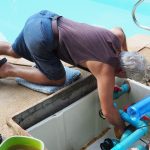
Some basic pool pump troubleshooting checks are reasonable for homeowners.
1. Check the Breaker
A tripped breaker can sometimes explain why a pump will not start.
Reset only if it is safe to do so.
If the breaker trips repeatedly, professional evaluation is recommended.
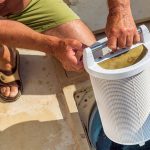
2. Inspect the Pump Basket
A clogged basket can restrict water flow.
Remove debris and ensure proper circulation.
3. Examine the Filter
A dirty filter can create symptoms that resemble pump failure.
Inspect and clean according to manufacturer recommendations.
4. Verify Water Level
Low water levels may allow air into the system.
This can interfere with proper pump operation.
5. Look for Obvious Leaks
Visible leaks around plumbing or pump components should be noted during troubleshooting.
These steps can help identify simple issues, but they are not a substitute for diagnosing electrical or motor-related failures.
Pool Pump Repair vs Replacement
One of the most common questions homeowners ask is whether to repair or replace a failing pump.
The answer depends on several factors.
When Pool Pump Repair May Make Sense
Repair is often appropriate when:
- The pump is relatively new
- The problem is isolated
- Parts are readily available
- Previous performance has been reliable
A targeted pool pump repair can often restore normal operation without requiring full replacement.
When Pool Pump Replacement May Be Worth Considering
Replacement may deserve consideration when:
- The pump is very old
- Multiple components are failing
- Repairs are becoming frequent
- Efficiency is significantly reduced
The goal is not to avoid repairs at all costs. The goal is to choose the option that provides the best long-term value.
Common Misconceptions About Pool Pump Failure
Misconception 1: A Pump That Won’t Start Is Dead
Not necessarily.
Electrical issues, breakers, capacitors, and flow-related problems can all prevent startup.
Misconception 2: Noise Always Means Replacement
Many noises indicate repairable problems rather than complete pump failure.
Misconception 3: Symptoms Identify the Exact Cause
A pool pump not working properly can result from multiple underlying issues.
The symptom alone does not reveal the failed component.
Misconception 4: Newer Pumps Never Fail
Even newer equipment can experience issues due to installation problems, environmental conditions, or component defects.
Real-World Example
Imagine a homeowner notices weaker circulation and cloudy water.
The pump is still running but sounds louder than normal.
Instead of immediately purchasing a new unit, they begin basic troubleshooting.
The skimmer basket is clean.
The water level is normal.
However, the filter is heavily clogged.
After cleaning the filter, water flow improves significantly.
In this case, the symptom suggested major equipment failure, but the actual issue was much simpler.
This example demonstrates why diagnosis should always come before replacement decisions.
Do This, Not That
| Do This | Not That |
| Investigate symptoms early | Wait for complete failure |
| Check baskets and filters | Assume the motor is bad |
| Consider pump age and condition | Focus on one symptom only |
| Seek diagnosis for recurring issues | Replace equipment without testing |
| Address leaks quickly | Ignore water around the pump |
When Professional Help Is Needed
Some situations require more than basic troubleshooting.
Professional evaluation is recommended when:
- The pump repeatedly trips breakers
- Electrical issues are suspected
- The motor overheats
- Leaks continue after basic inspection
- The pump repeatedly loses prime
- Performance problems persist despite troubleshooting
Pool pump symptoms can have several possible causes, and repair-versus-replacement decisions depend on factors such as age, condition, repair costs, efficiency, and expected remaining service life. Any discussion of repair or replacement costs should be viewed as general guidance rather than a guaranteed quote.
For homeowners dealing with active equipment problems, Feathers Bros Pool Service provides Pool pump repair services in Indianapolis, IN and can help identify the underlying cause, explain repair options, and determine whether replacement is truly necessary. To discuss a pump concern, call 317-522-8148, or email [email protected].
Conclusion
A Pool Pump Failure can be frustrating, but it should not automatically lead to replacement. Many symptoms that appear serious may have relatively straightforward causes.
The smartest approach is to identify the symptom, investigate possible causes, perform safe basic checks, and obtain a professional diagnosis when necessary. Once the underlying problem is understood, homeowners can confidently decide whether repair or replacement offers the best solution.
Summary
Pool pump failure can result from electrical issues, motor wear, restricted water flow, air leaks, or normal aging. Early warning signs such as unusual noises, weak circulation, leaks, and repeated shutdowns should be addressed promptly. Basic troubleshooting may identify simple causes, but persistent symptoms often require professional diagnosis. Understanding the actual cause before replacing equipment helps homeowners make more informed and cost-effective decisions.
FAQs
1. What are the most common causes of pool pump failure?
Electrical issues, motor wear, clogged filters, restricted water flow, air leaks, and aging components are among the most common causes.
2. Why is my pool pump not working even though it has power?
A pump may have power but still experience problems related to capacitors, motors, flow restrictions, overheating, or internal component failures.
3. Can homeowners perform basic pool pump troubleshooting?
Yes. Checking breakers, baskets, filters, water levels, and visible leaks are generally reasonable first steps before scheduling professional service.
4. When should a pool pump be replaced instead of repaired?
Replacement may be worth considering when the pump is older, repairs are becoming frequent, efficiency has declined, or multiple major components are failing.
5. Does Feathers Bros Pool Service help diagnose pool pump problems?
Yes. Homeowners experiencing circulation or equipment issues can request an inspection to determine the cause and whether repair or replacement is the most practical solution.