A pool spa can look crystal clear one day and seem tired the next. Maybe the water has become difficult to balance. Maybe a repair is planned. Or perhaps it is simply time for a deep cleaning. Whatever the reason, many homeowners eventually face the same question: How do you safely drain a pool spa without creating bigger problems?
The good news is that most homeowners can drain a pool spa successfully when they understand the process and follow a few important precautions. The challenge is not usually removing the water. The challenge is protecting equipment, preventing damage, and disposing of water responsibly.
Before pulling the plug, it helps to understand what should happen before, during, and after the draining process.
Key Takeaways
- Draining a spa can be a safe DIY project when the proper steps are followed.
- Equipment shutdown and drainage planning are just as important as removing water.
- Mistakes such as draining at the wrong time or ignoring equipment issues can lead to expensive repairs.
- Professional assistance may be helpful when draining is connected to repairs, plumbing concerns, or equipment problems.
What Does It Mean to Drain a Pool Spa?
To drain a pool spa means removing all or most of the water from the spa so cleaning, maintenance, repairs, or water replacement can be completed safely.
Many homeowners need to drain a pool spa when:
- Water chemistry becomes difficult to manage
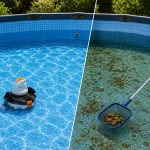
- Major cleaning is required
- Equipment repairs are scheduled
- Surface inspections are needed
- Water contamination occurs
- Seasonal maintenance is planned
Draining is not something that should be done unnecessarily. In many cases, water issues can be corrected without emptying the spa. However, there are situations where draining becomes the most practical solution.
Common Reasons Homeowners Drain Spa Water
Not every draining project starts because something is wrong.
Sometimes homeowners simply want a fresh start after months of use. Other times, the spa may show signs that maintenance is overdue.
Common reasons include:
- Persistent cloudy water
- High dissolved solids
- Algae growth
- Strong odors
- Surface staining
- Equipment repairs
- Leak inspections
- Deep cleaning projects
When these issues appear, understanding how to drain spa water correctly becomes important.
Before You Drain: Essential Safety Checks
Many problems happen before draining even begins.
A few minutes of preparation can prevent damage to pumps, heaters, plumbing, and spa surfaces.
1. Turn Off Electrical Equipment
Always shut down spa equipment before draining.
This typically includes:
- Pumps
- Heaters
- Blowers
- Automation systems
- Lighting circuits
Running equipment without water can cause serious damage.
If there is uncertainty about electrical systems, consult a qualified professional before proceeding.
2. Review Manufacturer Instructions
Spa designs vary significantly.
Drain locations, plumbing configurations, and equipment layouts differ between models.
The safest approach is to review the owner’s manual before beginning any pool spa draining project.
3. Plan Where the Water Will Go
Many homeowners focus on removing water but overlook disposal.
Water should never be discharged in a way that causes flooding, erosion, or damage to neighboring property.
Local disposal requirements may also apply.
For example, the City of Mesa notes that pool and spa water should be managed carefully to prevent environmental impacts and stormwater contamination. Water disposal requirements can vary by location. (Source: https://www.mesaaz.gov/Environment-Sustainability/Environmental/DrainBackwash-Pool)
Safe Steps to Drain a Pool Spa
Step 1: Gather Basic Supplies
Most projects require only a few items:
- Submersible pump (if needed)
- Garden hose
- Work gloves
- Soft cleaning tools
- Towels or absorbent materials
Some spas include built-in drain valves that simplify the process.
Step 2: Lower Water Through the Drain System
If the spa includes a dedicated drain connection, follow manufacturer instructions.
Otherwise, a submersible pump is commonly used.
Allow water to leave gradually while monitoring:
- Hose placement
- Water flow
- Drainage area
- Equipment surroundings
Never leave the process completely unattended.
Step 3: Watch for Equipment Exposure
As water levels drop, equipment components become more exposed.
This is a good time to inspect:
- Jets
- Fittings
- Skimmers
- Drain covers
- Visible plumbing connections
Early detection of cracks or wear can prevent future repairs.
Step 4: Remove Remaining Water
Small amounts of water often remain after the primary draining process.
Towels, wet vacuums, or manual removal methods can help finish the job.
At this stage, homeowners can safely drain a pool spa completely and prepare for cleaning or inspection.
Step 5: Clean Interior Surfaces
With the spa empty, surface cleaning becomes much easier.
Focus on:
- Waterline residue
- Scale buildup
- Dirt accumulation
- Debris in corners
Avoid harsh chemicals that may damage finishes or equipment.
A Simple Drain-and-Inspect Framework
Many homeowners find it helpful to follow a simple framework:
D.R.A.I.N.
| Step | Action | Purpose |
| D | Disconnect power | Protect equipment and users |
| R | Review instructions | Avoid model-specific mistakes |
| A | Assess drainage location | Prevent water disposal issues |
| I | Inspect surfaces and equipment | Identify maintenance concerns |
| N | Navigate refilling carefully | Restore operation safely |
This framework keeps the process organized and reduces the chance of overlooking important details.
Pool and Spa Equipment Maintenance During Draining
An empty spa offers a rare opportunity to inspect components that are normally underwater.
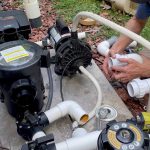
This makes draining valuable for pool and spa equipment maintenance.
Areas worth checking include:
Pumps
Look for:
- Leaks
- Corrosion
- Excessive vibration signs
- Loose fittings
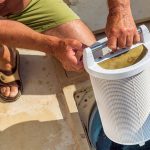
Filters
Inspect for:
- Clogged media
- Damaged cartridges
- Cracked housings
Heaters
Watch for:
- Corrosion
- Rust stains
- Damaged connections
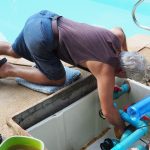
Plumbing
Check:
- Visible cracks
- Moisture around fittings
- Unusual wear
Minor issues discovered early are often easier and less expensive to address.
Common Mistakes Homeowners Make
Many draining problems result from avoidable mistakes.
Mistake 1: Draining During Extreme Heat
Empty spa surfaces can be vulnerable to damage when exposed to intense sunlight for extended periods.
Whenever possible, plan the project during moderate conditions.
Mistake 2: Forgetting to Shut Off Equipment
This is one of the most expensive mistakes.
Pumps and heaters depend on water for proper operation.
Mistake 3: Ignoring Disposal Requirements
Water may contain chemicals that should be handled responsibly.
Always review local guidance before discharging large volumes of water.
Mistake 4: Rushing the Refill Process
After draining and cleaning, many homeowners rush to restart equipment.
Taking time to refill properly helps prevent air locks and operational issues.
Mistake 5: Missing Warning Signs
A draining project often reveals:
- Cracks
- Leaks
- Worn components
- Corrosion
Ignoring these signs can lead to larger repair bills later.
Real-World Example
Imagine a homeowner notices cloudy spa water that keeps returning despite repeated chemical adjustments.
After several attempts, they decide to drain a pool spa and inspect the system.
During the process, they discover a partially clogged filter cartridge and buildup around several jets.
After cleaning the spa, replacing the filter, and refilling the system, water clarity improves significantly.
The important lesson is that draining often reveals underlying maintenance issues that were hidden when the spa was full.
Do This, Not That
| Do This | Not That |
| Shut off all equipment first | Run pumps while water is draining |
| Follow manufacturer instructions | Assume every spa works the same way |
| Plan water disposal ahead of time | Drain water without checking requirements |
| Inspect equipment while empty | Ignore visible wear or leaks |
| Refill slowly and carefully | Rush startup procedures |
When Professional Assistance Makes Sense
DIY draining works well for many situations.
However, some conditions deserve expert evaluation.
Professional assistance may be appropriate when:
- Water loss suggests a leak
- Plumbing repairs are needed
- Electrical concerns exist
- Pumps fail to operate correctly
- Heater issues are present
- Structural damage is visible
- Drainage challenges create uncertainty
These situations often extend beyond routine spa maintenance and may require specialized tools or diagnostics.
When draining reveals a larger problem, homeowners can describe the issue and receive guidance on the most appropriate solution. For larger maintenance, repair, or inspection needs, Feathers Bros Pool Service can help evaluate concerns related to cleaning, equipment performance, plumbing systems, and overall spa operation. Homeowners can discuss their pool problem by calling 317-522-8148, emailing [email protected], or visiting https://feathersbrospoolservice.com/services/.
Conclusion
Learning how to drain a pool spa safely is a valuable skill for homeowners. The process itself is usually straightforward, but preparation, equipment protection, and responsible water disposal make all the difference.
The safest approach is to shut down equipment, follow manufacturer guidance, monitor drainage carefully, and inspect the spa while it is empty. When unexpected problems appear, professional evaluation can help prevent additional damage.
A well-executed draining project not only refreshes the spa but also creates an opportunity to identify maintenance issues before they become major repairs.
Summary
Draining a spa can be a practical DIY maintenance task when performed carefully. Proper preparation, safe equipment shutdown, and responsible water disposal are key parts of the process. Homeowners should inspect surfaces, plumbing, and equipment while the spa is empty. If draining uncovers leaks, electrical concerns, or equipment problems, professional assistance may be the safest next step.
FAQs
1. How often should a homeowner drain a pool spa?
The schedule varies based on usage, water quality, and manufacturer recommendations. Many homeowners drain periodically for cleaning, maintenance, or water replacement.
2. How long does it take to drain spa water?
The timeframe depends on spa size, drainage equipment, and water flow rates. Smaller spas may drain relatively quickly, while larger systems can take longer.
3. Is draining a spa different from learning how to drain a hot tub?
The basic concepts are similar, but equipment layouts, plumbing systems, and manufacturer instructions may differ. Always follow guidance specific to the unit being serviced.
4. What should be inspected during pool spa draining?
Homeowners should examine pumps, filters, plumbing connections, jets, drain covers, and visible surfaces for signs of wear or damage.
5. When should professional help be considered?
Professional assistance is recommended when draining reveals leaks, plumbing concerns, electrical issues, heater problems, or equipment failures that require diagnosis or repair.