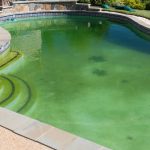

There’s a moment many pool owners know all too well. You walk outside on a warm morning expecting to see sparkling blue water, only to find a cloudy surface or the first hints of green creeping across the pool. The filter seems to be running fine, and you’ve added chlorine regularly, so what happened?
The answer often comes down to something many homeowners overlook: pool shock treatment.
While routine maintenance helps keep water balanced, contaminants build up over time. Sweat, sunscreen, leaves, rainwater, and microscopic organisms can overwhelm normal sanitizer levels. That’s where shocking your pool becomes an essential part of keeping water clean, clear, and safe for swimming.
Key Takeaways
- Pool shock treatment is a deep-cleaning process that rapidly removes contaminants from pool water.
- Regular shocking helps prevent algae growth, cloudy water, and unpleasant odors.
- Different types of shock treatments serve different pool conditions.
- Timing and proper application are critical for achieving the best results.
What Is Pool Shock Treatment?
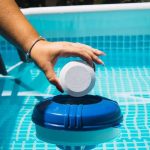
Pool shock treatment is the process of adding a concentrated dose of sanitizer or oxidizer to pool water to destroy contaminants, bacteria, algae, and organic waste that regular chlorine levels cannot fully eliminate.
Think of it as pressing the reset button on your pool’s water chemistry. Instead of maintaining sanitation levels, shocking temporarily boosts them to break down pollutants and restore water quality.
Many people assume that if chlorine is present, the water is automatically clean. In reality, chlorine becomes less effective as it reacts with contaminants. Over time, those contaminants accumulate, reducing sanitation efficiency and affecting water clarity.
A properly performed pool shock treatment helps restore balance and keeps your swimming environment healthy throughout the season.
Why Pools Need More Than Regular Chlorine
Imagine hosting a weekend pool party. Friends and family spend hours swimming, applying sunscreen, and jumping in and out of the water. Even after everyone leaves, residue remains behind.
Organic materials introduced into pool water include:
- Sweat
- Body oils
- Sunscreen
- Leaves and debris
- Dust and pollen
- Bacteria and microorganisms
These contaminants consume available sanitizer and can eventually lead to cloudy water, algae growth, and unpleasant smells.
One of the most important goals of shocking is maintaining healthy free chlorine levels in pool water. Free chlorine is the active sanitizer responsible for killing harmful microorganisms and keeping water safe.
Without occasional shocking, your pool may appear acceptable on the surface while hidden contaminants continue accumulating underneath.
Signs Your Pool Needs Shock Treatment
Many homeowners wait until a problem becomes obvious before taking action. However, recognizing early warning signs can save both time and money.
You may need a pool shock treatment if you notice:
- Cloudy water
- Strong chlorine odor
- Green or yellow discoloration
- Recent heavy rainfall
- Increased swimmer activity
- Visible algae growth
- Opening the pool after winter
Understanding when to shock a swimming pool can help prevent major water quality issues before they start.
The Science Behind Shocking a Pool
The goal of shocking is not simply adding more chlorine. It is about supporting the overall pool sanitization process.
When chlorine reacts with contaminants, compounds called chloramines form. Chloramines reduce sanitizing effectiveness and often cause the strong “chlorine smell” many people associate with pools.
Ironically, a strong chlorine odor often indicates that your pool needs additional sanitation rather than less.
A properly executed pool shock treatment breaks down chloramines, restores sanitizer effectiveness, and helps create cleaner water conditions.
As inventor and businessman Thomas Edison once said:
“Opportunity is missed by most people because it is dressed in overalls and looks like work.”
Pool care works the same way. The small maintenance tasks that seem inconvenient today often prevent major headaches tomorrow.
Types of Pool Shock Treatments
Not every pool requires the same solution. Different shock products are designed for different situations.
Chlorine-Based Shock
Often called chlorine shock for pools, this treatment rapidly increases sanitizer levels and is commonly used to eliminate bacteria and algae.
Best for:
- Green water
- Heavy contamination
- Seasonal openings
- Algae outbreaks
Non-Chlorine Shock
This oxidizing treatment removes contaminants without significantly increasing chlorine levels.
Best for:
- Routine maintenance
- Frequent swimming pools
- Quick water refreshes
Multi-Purpose Shock Products
Some products combine sanitizing and oxidizing functions for broader treatment coverage.
Choosing the right product depends on your pool’s condition and maintenance goals.
How to Shock a Pool Properly
Many pool owners search for how to shock a pool because applying shock incorrectly can reduce effectiveness.
Follow these steps:
- Test water chemistry before treatment.
- Calculate the appropriate pool shock dosage based on pool size.
- Run the circulation system.
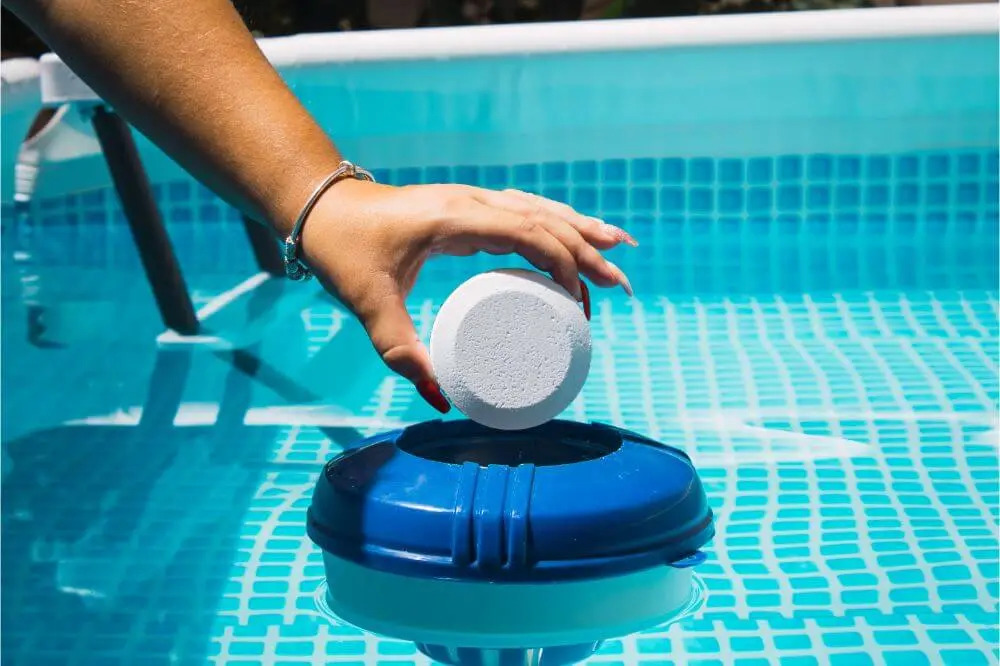
- Add shock according to manufacturer instructions.
- Brush pool surfaces if algae is present.
- Allow the water to circulate thoroughly before swimming.
Performing these steps carefully maximizes treatment effectiveness and helps maintain long-term water quality.
A Simple Framework: The CLEAR Method
A useful way to remember proper pool shocking is the CLEAR framework.
|
Step |
Action |
Purpose |
|
C |
Check water conditions |
Identify problems early |
|
L |
Look at chlorine levels |
Assess sanitizer performance |
|
E |
Evaluate contamination sources |
Understand why treatment is needed |
|
A |
Apply proper shock dosage |
Eliminate contaminants effectively |
|
R |
Recheck water balance |
Confirm successful treatment |
This framework helps pool owners approach maintenance systematically rather than reactively.
Common Misconceptions About Pool Shock Treatment
Several myths continue to circulate among pool owners.
Myth 1: More Shock Is Always Better
Excessive treatment can create chemical imbalances and unnecessary expenses.
Myth 2: Clear Water Means Clean Water
Water can appear clear while still containing contaminants or unhealthy chlorine levels.
Myth 3: Shocking Is Only Needed for Green Pools
Routine shocking helps prevent issues long before algae becomes visible.
Myth 4: Rainwater Cleans the Pool
Rain often introduces debris, contaminants, and pollutants that increase the need for sanitation.
Understanding these misconceptions helps homeowners make smarter maintenance decisions.
Real-World Example
Consider a family preparing for a holiday gathering. Their pool appears slightly dull but not alarming. Assuming everything is fine, they skip maintenance.
After a weekend of heavy swimming, the water becomes cloudy and develops a noticeable odor. Testing reveals depleted sanitizer levels and rising contaminants.
A timely pool shock treatment performed before the gathering could have prevented the issue entirely.
This scenario plays out frequently because many pool problems begin gradually rather than suddenly.
The Connection Between Water Clarity and Pool Health
Many people focus on appearance alone, but true pool health goes deeper.
Effective shocking contributes significantly to pool water clarity improvement because it removes contaminants that cause cloudiness and discoloration.
In fact, according to the U.S. Centers for Disease Control and Prevention (CDC), maintaining proper pool chemical levels is essential for preventing the spread of recreational water illnesses. Source: https://www.cdc.gov/healthy-swimming/about/index.html
When sanitation levels remain balanced, swimmers enjoy cleaner, safer water and pool equipment experiences less stress over time.
Regular shocking also supports cloudy pool water treatment efforts by addressing contaminants that filtration alone cannot remove.
Additionally, it helps kill algae in swimming pool environments before algae colonies become difficult and costly to eliminate.
Professional Pool Care Makes a Difference
While many homeowners handle routine maintenance themselves, complex water chemistry can sometimes become difficult to manage.
Professional technicians understand factors such as:
- Seasonal chemical fluctuations
- Proper shock selection
- Water testing accuracy
- Algae prevention strategies
- Equipment performance evaluation
At Feathers Bros Pool Service, experienced technicians help homeowners maintain healthy swimming environments through consistent maintenance and expert care.
For pools requiring advanced balancing services, professional support can simplify maintenance and improve long-term results. Services such as Pool Chemical Balancing in Indianapolis, IN help ensure water remains properly sanitized throughout the swimming season.
Conclusion
A healthy swimming pool requires more than filtration and occasional chlorine additions. Contaminants naturally accumulate through everyday use, weather conditions, and environmental exposure. That is why pool shock treatment remains one of the most important maintenance practices for pool owners.
Whether you are preventing algae, addressing cloudy water, or maintaining healthy sanitizer levels, a consistent shocking schedule helps protect both swimmers and equipment. By understanding how and when to apply pool shock treatment, you can enjoy cleaner water, improved clarity, and greater peace of mind all season long.
Feathers Bros Pool Service understands that proper maintenance is the foundation of a safe and enjoyable swimming experience, and regular pool shock treatment is a key part of that foundation.
Summary
Pool shock treatment is a powerful maintenance process designed to eliminate contaminants, improve water clarity, and restore sanitizer effectiveness. Regular shocking helps prevent algae growth, cloudy water, and sanitation issues before they become major problems. Understanding proper timing, dosage, and application methods can significantly improve pool health and swimmer safety. Combined with consistent maintenance, shocking keeps pool water cleaner, clearer, and more enjoyable throughout the season.
FAQs
How often should I perform a pool shock treatment?
Most swimming pools benefit from a shock treatment every one to two weeks during the swimming season. However, heavy pool use, rainstorms, high temperatures, or algae growth may require more frequent shocking.
What is the ideal pool shock dosage?
The correct pool shock dosage depends on pool size, water condition, and the specific product being used. Always follow manufacturer recommendations.
Can I swim immediately after shocking my pool?
No. You should wait until sanitizer levels return to safe swimming ranges before entering the water.
Why choose Feathers Bros Pool Service for pool maintenance?
Feathers Bros Pool Service provides professional pool care solutions designed to help homeowners maintain balanced water chemistry, clean equipment, and safe swimming conditions.
Does Feathers Bros Pool Service help with recurring algae problems?
Yes. Professional technicians can identify the underlying causes of algae growth and implement maintenance strategies that support long-term prevention and water quality.