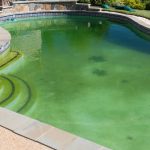

Imagine walking out to your pool on a warm afternoon, expecting sparkling blue water, only to find it looking dull and slightly cloudy. The chemicals seem balanced, the pump is running, and yet something feels off. In many cases, the culprit is not the water chemistry at all. It is the filter.
A pool’s filtration system works quietly behind the scenes, and because it is out of sight, it is often out of mind. Yet one of the most important factors in keeping pool water clean, healthy, and inviting is regular pool filter cleaning. When filters become clogged with dirt, leaves, oils, and debris, water struggles to move efficiently through the system. The result is poor circulation, reduced filtration, and a pool that requires more effort and expense to maintain.
Understanding how pool filter cleaning improves water circulation can help pool owners protect their investment while enjoying cleaner water throughout the swimming season.
Key Takeaways
- Clean filters allow water to move freely through the filtration system.
- Better circulation helps distribute chemicals evenly throughout the pool.
- Regular pool filter cleaning reduces strain on pool equipment.
- Improved water movement helps prevent algae growth and cloudy water.
What Is Pool Filter Cleaning?
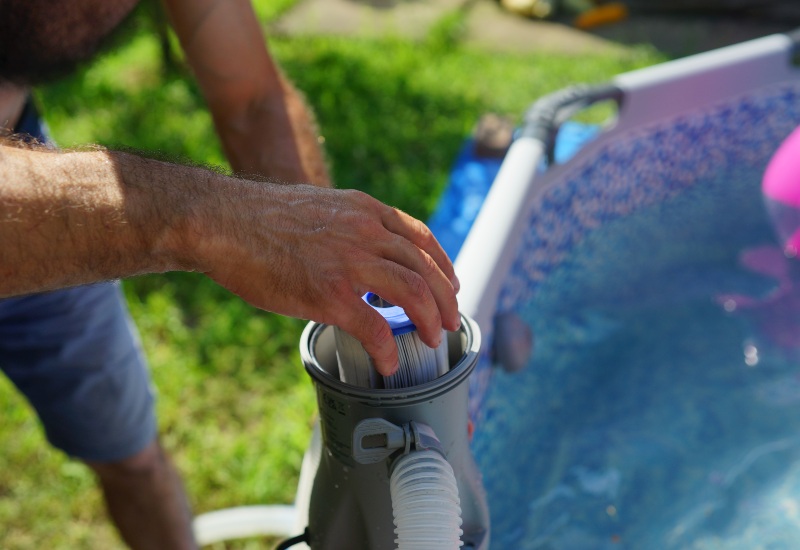
Pool filter cleaning is the process of removing dirt, debris, oils, and contaminants that accumulate inside a pool filter over time. A clean filter allows water to flow efficiently through the system while trapping unwanted particles before they return to the pool.
Whether you have a cartridge, sand, or DE filter, keeping it clean is essential for maintaining healthy water conditions.
Why Water Circulation Matters More Than Most Pool Owners Realize
Many people think filtration and circulation are the same thing, but they perform different roles.
The filtration system removes contaminants. Circulation keeps water moving throughout the pool so contaminants can reach the filter in the first place.
When circulation slows down, several problems begin to develop:
- Dead spots where water barely moves
- Uneven chemical distribution
- Increased algae growth
- Cloudy water conditions
- Greater strain on equipment
A properly functioning swimming pool filtration system depends on both effective filtration and strong circulation. One cannot succeed without the other.
The Connection Between Pool Filter Cleaning and Water Flow
Think of a filter like the air filter in your home. When it becomes clogged, airflow decreases. The same principle applies to pool systems.
As debris accumulates inside the filter, water faces greater resistance. The pump must work harder to push water through the filter media. Eventually, water movement slows significantly.
This is where pool filter cleaning becomes critical.
By removing buildup, the filter returns to its intended operating condition, allowing water to move freely throughout the system. This simple maintenance task can dramatically improve pool water flow and restore overall efficiency.
Signs Your Filter Is Restricting Circulation
Pool owners often overlook early warning signs because they develop gradually.
Common dirty pool filter symptoms include:
- Cloudy or dull water
- Weak return jet pressure
- Rising filter pressure readings
- Increased debris accumulation
- Algae appearing despite proper chemical levels
- Longer cleaning cycles
If you notice any of these issues, your filter may be limiting circulation even if the pump appears to be working normally.
How Pool Filter Cleaning Supports Better Water Quality
Good circulation affects nearly every aspect of pool care.
Even Chemical Distribution
When water moves consistently, sanitizers and balancing chemicals spread throughout the pool more effectively. This helps prevent areas where bacteria or algae can thrive.
Improved Debris Removal
Leaves, dirt, pollen, and other contaminants are more likely to reach the filter when circulation is strong. A clean filter can then remove those particles efficiently.
Reduced Algae Growth
Algae often develops in stagnant areas with poor water movement. Strong circulation helps eliminate these problem zones before algae can establish itself.
Enhanced Clarity
One of the biggest benefits of pool filter cleaning is clearer water. Better circulation means contaminants are captured faster, resulting in a cleaner appearance.
A Simple Framework for Healthy Pool Circulation
Pool professionals often follow a straightforward approach that can help homeowners understand the process.
The FLOW Framework
Step | Purpose | Simple Cue | Common Mistake |
F – Filter | Remove contaminants | Check pressure regularly | Ignoring maintenance |
L – Look | Inspect water clarity | Watch for cloudy water | Waiting for major issues |
O – Optimize | Ensure unrestricted flow | Clean filter when needed | Overlooking circulation |
W – Watch | Monitor equipment performance | Check return jets | Assuming pump alone solves problems |
Following this framework helps identify small issues before they become costly repairs.
How Often Should You Clean a Pool Filter?
One of the most common questions pool owners ask is about timing.
The answer depends on several factors:
- Pool size
- Filter type
- Frequency of use
- Local weather conditions
- Amount of debris entering the pool
As a general rule, consistent pool filter maintenance should be part of every seasonal care plan.
Many homeowners wait until problems become obvious. Unfortunately, by that point circulation may have already been compromised for weeks.
A Realistic Example
Consider a homeowner preparing for a family gathering.
The water appears slightly cloudy, but chemical tests look normal. The pump runs continuously, yet the pool never seems to regain its sparkle.
After inspecting the system, they discover the filter is heavily clogged with debris collected over several weeks. Once cleaned, water pressure improves immediately. Within a day, circulation increases noticeably, and the water becomes significantly clearer.
This scenario happens more often than many pool owners realize. The issue is not always chemistry. Sometimes the solution is simply restoring proper flow through routine pool filter cleaning.
Common Misconceptions About Pool Filters
Several myths continue to circulate among pool owners.
Myth 1: A Dirty Filter Cleans Better
Some people believe a dirty filter captures more particles. While slight buildup may improve filtration temporarily, excessive debris restricts flow and reduces overall system efficiency.
Myth 2: Clear Water Means the Filter Is Fine
Water can appear clean while circulation issues develop underneath the surface. Regular inspections remain important.
Myth 3: The Pump Does All the Work
The pump moves water, but the filter determines how effectively that water is cleaned and circulated.
Strong pool pump and filter performance requires both components to work together.
Professional Maintenance Versus DIY Cleaning
Many homeowners successfully learn how to clean a pool filter on their own. Basic cleaning can be straightforward when performed according to manufacturer guidelines.
However, professional inspections provide additional benefits:
- Identification of hidden wear
- Pressure testing
- Equipment evaluation
- Deep cleaning procedures
For homeowners seeking consistent results, a reliable pool filter cleaning service can help maintain optimal circulation throughout the season.
In Indianapolis, many pool owners choose professional support because seasonal weather changes can place extra demands on filtration equipment. Services such as Pool Maintenance Services in Indianapolis, IN often include routine inspections that help prevent circulation-related issues before they escalate.
The Bigger Picture: Protecting Equipment Longevity
A clean filter benefits more than water quality.
Restricted circulation forces pumps to work harder than necessary. Over time, this increased workload may contribute to premature wear on motors, seals, and other components.
Routine pool filter cleaning helps reduce unnecessary strain and supports longer equipment life.
As Benjamin Franklin famously said:
“An ounce of prevention is worth a pound of cure.”
The same principle applies to pool care. Small maintenance tasks often prevent larger expenses later.
Why Consistent Maintenance Creates Better Swimming Experiences
The ultimate goal of pool ownership is enjoyment.
Nobody wants to spend weekends troubleshooting cloudy water or battling recurring algae outbreaks. Consistent pool filter maintenance creates an environment where water remains cleaner, circulation stays stronger, and equipment operates more efficiently.
The result is less frustration and more time spent enjoying the pool.
For homeowners who prefer professional support, Feathers Bros Pool Service helps keep filtration systems operating efficiently through regular inspections and maintenance. A proactive approach often prevents the circulation issues that lead to larger problems down the road.
Conclusion
Healthy water circulation is one of the foundations of effective pool care, and few maintenance tasks contribute more directly to that goal than pool filter cleaning. A clean filter allows water to move freely through the system, improves chemical distribution, enhances filtration efficiency, and reduces stress on equipment.
Whether you perform maintenance yourself or work with professionals like Feathers Bros Pool Service, keeping your filter clean helps ensure better water quality, improved circulation, and a more enjoyable swimming experience throughout the season.
Summary
Water circulation affects every aspect of pool health, from chemical effectiveness to algae prevention. When filters become clogged, water movement slows and overall performance suffers. Regular pool filter cleaning restores proper flow, improves filtration, and supports long-term equipment reliability. Consistent maintenance remains one of the simplest and most effective ways to keep pool water clear and inviting.
FAQs
How does pool filter cleaning improve water circulation?
Cleaning removes debris that restricts water movement, allowing water to flow more freely through the filtration system and back into the pool.
How often should I perform pool filter cleaning?
The frequency depends on usage, filter type, and environmental conditions, but regular inspections help determine when cleaning is necessary.
What are the most common dirty pool filter symptoms?
Cloudy water, weak return jets, increased filter pressure, poor circulation, and recurring algae growth are common warning signs.
Does Feathers Bros Pool Service provide filter maintenance support?
Yes. Feathers Bros Pool Service helps homeowners maintain filtration systems through inspections, cleaning recommendations, and ongoing pool care services.
Can I learn how to clean a pool filter myself?
Yes. Many pool owners can perform basic cleaning procedures by following manufacturer instructions, although professional service may be beneficial for deeper inspections and maintenance.