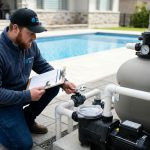
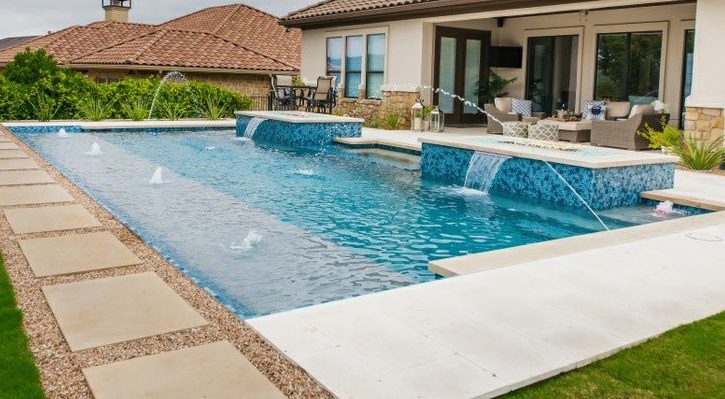
Picture a homeowner opening the pool after a long week of work. The water looks fine at first glance. Then sunlight hits the surface, and tiny particles become visible.
The homeowner checks the pump, adds chemicals, and wonders what went wrong.
Often, the answer comes back to filtration.
A pool filter works with the pump to remove dirt and debris from the water. It helps maintain water clarity and supports the overall pool maintenance routine. However, not every filtration system works the same way.
So, what is the best pool filter for residential pools?
For most homeowners, there is no single winner. Sand, cartridge, and diatomaceous earth filters each have different strengths. The right choice depends on the pool, desired water clarity, maintenance habits, available budget, and equipment setup.
Key Takeaways
- Sand filters are simple, durable, and generally easy to maintain.
- Cartridge filters offer efficient filtration without routine backwashing.
- DE filters provide very fine filtration but require more involved maintenance.
- The right filter should match the pool size, equipment, water goals, and owner’s maintenance preferences.
- Proper sizing and regular maintenance matter just as much as the filter type.
What Does a Pool Filter Actually Do?
A pool filter is a mechanical part of the pool filtration system. The pump moves pool water toward the filter. The filter traps unwanted material, and cleaner water returns to the pool.
This process removes dirt, debris, and other particles that can make water look dull or cloudy.
Filtration also works alongside proper water treatment. A filter does not replace chemical care. Instead, filtration and water chemistry work together as parts of a complete swimming pool maintenance routine.
Simple definition: A pool filter removes physical particles from circulating pool water, helping keep the water cleaner and clearer.
That sounds simple, but choosing the right filter can become confusing. Three common residential pool filter types dominate the conversation.
The Three Main Residential Pool Filter Types
Sand Pool Filters
A sand pool filter uses a tank filled with filter media. As water passes through the media, dirt and debris become trapped.
Sand filters are often attractive to homeowners who value straightforward operation. Their maintenance process is relatively simple because the filter can be backwashed. Backwashing reverses the water flow to flush trapped debris from the filter.
The trade-off is filtration performance.
Sand filters generally do not capture particles as finely as cartridge or DE systems. Backwashing can also use additional water and may affect the pool’s water balance.
For a homeowner who wants simple equipment and does not mind routine backwashing, a sand filter can be a practical choice.
Cartridge Pool Filters
A cartridge pool filter uses pleated filter material inside a tank. The pleats create a large surface area where dirt and debris can collect.
Cartridge systems are popular because they provide effective filtration without the need for routine backwashing. When the cartridge becomes dirty, it can be removed and cleaned with water.
This can make cartridge filtration appealing to homeowners who want a balance between filtration performance and maintenance simplicity.
There is still maintenance involved. A dirty cartridge restricts water flow and can reduce filtration efficiency. Cartridges also eventually need replacement.
For many residential pools, this balance makes the cartridge filter a strong all-around option.
DE Pool Filters
Diatomaceous earth, commonly called DE, takes filtration a step further.
A DE filter uses a fine powder around internal filter grids. Water passes through the media while very small particles become trapped.
DE systems are known for producing exceptionally clear water. They can capture particles around 3 to 5 microns, making them the finest filtration option among the three common residential types discussed here.
The advantage comes with added responsibility.
DE filters require more careful maintenance than many sand or cartridge systems. Backwashing also requires replacing the DE media. Homeowners must handle the powder carefully and follow applicable disposal requirements.
For someone who places a high priority on water clarity and is comfortable with more involved maintenance, DE can be an excellent choice.
Sand vs. Cartridge vs. DE: A Simple Comparison
| Filter Type | Main Strength | Maintenance Style | Best Fit |
| Sand | Simple operation | Backwashing | Homeowners who value easy routine care |
| Cartridge | Balanced filtration and maintenance | Remove and clean cartridge | Homeowners wanting an all-around option |
| DE | Very fine filtration | Backwashing and DE media replacement | Homeowners prioritizing maximum water clarity |
The table shows why choosing a filter is not simply about finding the most powerful option.
A homeowner needs to consider how the equipment will fit into everyday pool care.
What Is the Best Pool Filter for Residential Pools?
The best pool filter for residential pools is the one that fits the pool and the person maintaining it.
A filter that produces excellent water clarity may not be ideal for someone who wants the simplest possible maintenance routine.
Likewise, a low-maintenance filter may not satisfy a homeowner who wants exceptionally clear water.
A useful way to make the decision is the CLEAR framework:
C: Clarity
How clean and clear does the homeowner want the water to look?
If extremely fine filtration is the priority, DE deserves consideration. Cartridge filtration can also provide strong filtration performance.
L: Labor
How much maintenance is realistic?
Sand systems offer a straightforward maintenance process. Cartridge systems require cartridge cleaning. DE systems involve additional media handling.
The best system is one the homeowner can maintain consistently.
E: Equipment
The filter must work properly with the existing pool pump, plumbing, and circulation system.
Choosing a filter based only on appearance or price can lead to an unsuitable setup. Proper sizing is essential.
A: Affordability
The purchase price is only part of the decision.
Homeowners should also consider cleaning, replacement media, water use, and long-term maintenance needs.
R: Routine
Finally, consider the homeowner’s normal pool care routine.
Someone who checks equipment regularly may be comfortable with a more involved filtration system. Someone seeking simplicity may prefer a system that requires less hands-on attention.
How to Choose the Right Pool Filter
A practical decision can be made by following a few simple steps:
- Identify the existing equipment. Check the current pump, plumbing, filter, and available space.
- Consider the pool’s size and circulation needs. Filter capacity should match the pool system.
- Choose the desired level of filtration. Decide whether basic filtration or very fine particle removal is the priority.
- Compare maintenance routines. Consider backwashing, cartridge cleaning, media handling, and replacement needs.
- Think beyond the initial purchase. Include ongoing maintenance and operating requirements.
- Have the system evaluated when uncertain. Professional guidance can prevent an expensive mismatch.
The key is to look at the entire pool filtration system rather than the filter alone.
Common Pool Filter Mistakes Homeowners Make
One common mistake is assuming that the most expensive filter must be the best.
That is not necessarily true.
A DE filter may provide extremely fine filtration, but its additional maintenance may not suit every homeowner.
Another mistake is choosing a filter based only on the upfront price. A lower purchase cost does not automatically mean lower long-term effort or expense.
Oversimplifying filter maintenance can also cause problems. A filter cannot work properly when it is heavily loaded with debris or neglected for too long.
Perhaps the biggest mistake is choosing the wrong filter size.
A properly sized system can make pool maintenance easier and help the equipment operate as intended. Filter sizing should be considered alongside pump capacity, plumbing, pool volume, and circulation requirements.
A Real-World Example
Consider a homeowner with a backyard pool who wants clear water but does not want a complicated maintenance routine.
The homeowner compares all three options.
A sand filter looks attractive because the operation is straightforward. However, regular backwashing may not fit the homeowner’s preferences.
A DE filter provides excellent filtration, but the additional maintenance feels unnecessary.
A cartridge system may offer the better middle ground. It can provide effective filtration while avoiding routine backwashing.
Another homeowner may make the opposite decision.
If extremely fine water filtration is the top priority and more maintenance is acceptable, DE may be the better fit.
That is why there is no universal winner.
Do This, Not That
| Do This | Not That |
| Size the filter for the pool system | Choose a filter based only on price |
| Consider long-term maintenance | Focus only on the initial purchase |
| Match filtration to water clarity goals | Assume every pool needs the same filter |
| Follow the manufacturer’s maintenance guidance | Ignore rising filter pressure |
| Keep the filter clean | Expect chemicals to compensate for poor filtration |
| Consider professional inspection when needed | Replace equipment without checking the whole system |
When Should a Homeowner Consider Pool Filter Repair?
A pool filter does not always need replacement when performance changes.
Sometimes the issue involves a dirty filter, restricted flow, damaged components, incorrect pressure, or another equipment problem.
Homeowners should pay attention when water becomes consistently cloudy, circulation appears weak, or the filter requires unusual attention.
Professional inspection can help determine whether the problem requires cleaning, repair, replacement parts, or a complete filter replacement.
For homeowners looking for Pool filter repair services in Indianapolis, IN, professional evaluation can also help identify whether the existing system is properly sized and maintained.
Why Professional Pool Equipment Maintenance Matters
Pool equipment works as a connected system.
The pump, filter, plumbing, water chemistry, and circulation pattern all affect overall performance. A problem in one area can sometimes appear to be a filter problem.
Professional pool equipment maintenance can help homeowners understand what is actually happening before replacing equipment unnecessarily.
For example, replacing a cartridge may not solve a circulation problem caused elsewhere in the system.
A careful inspection starts with the symptoms and works toward the cause.
That approach can save time, reduce unnecessary equipment changes, and help homeowners make better decisions about pool maintenance.
Frequently Asked Questions
Which pool filter is easiest to maintain?
Sand filters are generally considered straightforward to maintain because they can be cleaned through backwashing. Cartridge filters are also relatively simple, but their cartridges must be removed and cleaned.
Which pool filter provides the clearest water?
DE filters provide the finest filtration among the three common types. They can capture very small particles, making them a strong option for homeowners who prioritize water clarity.
Are cartridge filters a good choice for residential pools?
Yes. Cartridge filters can provide effective filtration while avoiding routine backwashing. They are often a practical choice for homeowners seeking a balance between filtration and maintenance.
When should a pool filter be repaired instead of replaced?
Repair may make sense when the filter has a serviceable component problem or needs cleaning rather than complete replacement. A professional inspection can help determine the appropriate solution.
How can Feathers Bros Pool Service help with residential pool filters?
Feathers Bros Pool Service can help homeowners with pool filter inspections, repairs, maintenance, and filtration system needs. Professional evaluation can help determine whether an existing filter should be cleaned, repaired, replaced, or properly maintained.
Conclusion
Choosing the best pool filter for residential pools is less about finding a universal winner and more about finding the right match.
Sand filters suit homeowners who value straightforward maintenance. Cartridge filters offer a useful balance between filtration and convenience. DE filters are ideal for homeowners who prioritize very fine filtration and accept additional maintenance.
The best decision considers the pool size, equipment, water clarity goals, maintenance preferences, and long-term needs.
When homeowners understand those differences, choosing a residential pool filter becomes much less confusing. The right system can make everyday pool care more manageable and help support consistently clean, clear water.