A pool can look crystal clear on the surface while hidden equipment slowly works harder behind the scenes. Many homeowners do not think about their pump, filter, or heater until something stops working, leaving them with cloudy water, unexpected costs, or a pool that cannot be enjoyed.
The truth is that every piece of pool equipment has a useful service window. Understanding the pool equipment lifespan of each component helps you plan ahead, avoid sudden breakdowns, and make smarter maintenance decisions.
Whether you recently installed a pool or have been caring for one for years, knowing when equipment may need attention can save time, money, and frustration.
Key Takeaways
- Most pool equipment lasts for years when properly maintained, but each component has a different expected lifespan.
- Regular inspections and timely repairs can help extend the life of your system.
- Signs of reduced performance often appear before complete equipment failure.
- Understanding replacement timelines helps homeowners budget for future pool expenses.
Why Understanding Pool Equipment Lifespan Matters
Pool equipment is designed to handle demanding conditions. Pumps run for hours, filters capture debris constantly, and heaters work through repeated temperature changes. Over time, normal wear and environmental exposure can reduce efficiency.
Many homeowners assume equipment only needs attention after it breaks. However, waiting until failure often creates larger problems. A struggling pump may affect water circulation, while an aging filter may allow contaminants to build up.
A proactive approach allows you to identify problems early and make decisions before a small issue becomes an expensive repair.
A good pool equipment lifespan guide is not about replacing everything on a schedule. It is about understanding your system, recognizing warning signs, and maintaining each part according to its needs.
Average Lifespan of Common Pool Equipment
The lifespan of pool equipment depends on several factors, including usage, installation quality, climate, water chemistry, and maintenance habits.
Pool Pump Life Expectancy
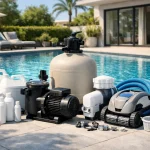
The pump is the heart of your pool circulation system. It moves water through filters, heaters, and cleaning systems.
A typical pump can last many years with proper care, but performance may decline over time. Strange noises, reduced water flow, frequent shutdowns, or rising energy costs can indicate that the pump is struggling.
Regular inspections, keeping baskets clean, and maintaining balanced water chemistry can support a longer pool pump life expectancy.
Pool Filter Replacement Timeline
Filters remove dirt, oils, and debris that affect water clarity. Different filter types have different maintenance needs, but all require attention to continue working effectively.
A pool filter replacement timeline depends on the filter design, cleaning frequency, and overall condition. A filter that is damaged, constantly clogged, or unable to maintain proper pressure may need replacement sooner.
Pool Heater Average Lifespan
Pool heaters experience some of the most demanding operating conditions because they handle heat, moisture, and repeated cycles.
The pool heater average lifespan varies depending on usage and maintenance. Problems such as inconsistent heating, unusual sounds, or frequent system errors may indicate that the unit needs professional evaluation.
A Simple Framework for Planning Equipment Replacement
Instead of guessing when equipment will fail, homeowners can use the CARE framework:
Check
Inspect equipment regularly for changes in performance, sounds, leaks, or visible damage.
Assess
Look at age, repair history, and whether the equipment is still operating efficiently.
Repair
Address small problems early before they affect other parts of the pool system.
Evaluate Replacement
When repairs become frequent or costs increase, replacement may be the smarter long-term option.
This approach helps you make decisions based on condition rather than panic.
Common Signs Pool Equipment Needs Replacement
Equipment rarely fails without warning. Paying attention to changes can help you respond sooner.
Common signs pool equipment needs replacement include:
- Frequent repairs for the same problem
- Unusual noises from pumps or motors
- Poor water circulation
- Equipment struggling to maintain normal performance
- Higher operating costs
- Visible rust, cracks, or damage
- Equipment reaching the end of its expected service period
Aging equipment does not always need immediate replacement, but these signs deserve attention.
Maintenance Habits That Help Equipment Last Longer
Good maintenance does not stop equipment from aging, but it can help protect your investment.
| Practice | When it helps | Simple cue | Mistake |
| Regular inspections | Detecting early issues | Check equipment during routine pool care | Waiting until failure |
| Cleaning filters | Improving water flow | Follow pressure and cleaning indicators | Ignoring rising pressure |
| Balanced water chemistry | Protecting internal parts | Test water consistently | Allowing chemical levels to drift |
| Professional servicing | Complex repairs and evaluations | Schedule seasonal checks | Attempting unfamiliar repairs |
These simple habits contribute to extending the life of pool equipment and keeping your pool system running smoothly.
How Often Should You Replace Pool Equipment?
There is no universal replacement date because every pool operates differently. A lightly used pool with consistent maintenance may keep equipment running longer than a heavily used pool with neglected care.
When considering how often to replace pool equipment, look at three things:
- Age of the equipment
Older components may become less efficient even if they still operate. - Repair frequency
Repeated repairs can become more expensive than investing in replacement. - Performance changes
Reduced circulation, heating problems, or inconsistent operation may indicate declining equipment health.
The goal is not to replace equipment early. The goal is to replace it at the right time.
Misconceptions About Pool Equipment Replacement
One common misconception is that older equipment should always be replaced immediately. Age matters, but condition matters more.
Another misconception is that maintenance can completely prevent equipment failure. Proper care can reduce wear and improve performance, but all mechanical systems eventually age.
A realistic understanding of pool maintenance equipment lifespan helps homeowners make practical decisions instead of reacting to emergencies.
Real-World Example: Planning Ahead Instead of Reacting
Imagine a homeowner notices that their pool pump has become louder and water circulation is weaker than usual. Instead of ignoring the signs, they schedule an inspection.
The issue turns out to be a worn component that can be addressed before causing additional stress on the system. Because the homeowner noticed the change early, they avoid a more disruptive failure during peak swimming season.
This type of proactive care is why understanding equipment lifespan matters.
Professional Pool Equipment Maintenance and Support
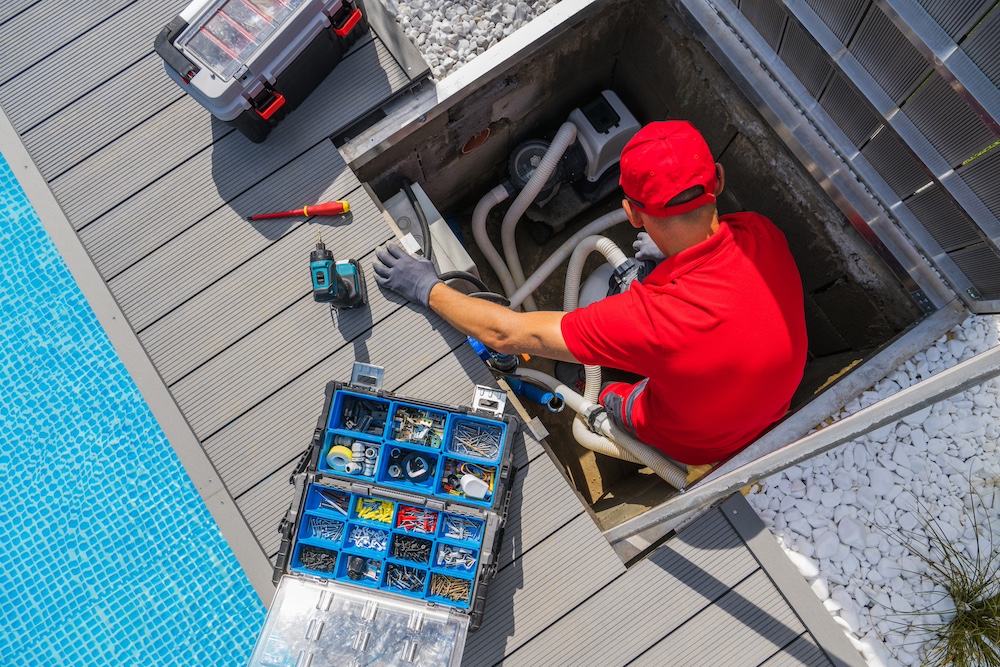
Proper care requires more than occasional cleaning. A complete maintenance approach includes checking equipment performance, monitoring water conditions, and identifying problems before they become major repairs.
For homeowners looking for reliable guidance, Pool Equipment Maintenance in Indianapolis, IN can help protect the performance and efficiency of their pool system.
Feathers Bros Pool Service helps homeowners maintain dependable pool systems through professional service and equipment care.
Conclusion
Understanding the pool equipment lifespan of your pump, filter, heater, and other components allows you to plan smarter and avoid unnecessary surprises. Equipment does not last forever, but regular care, timely inspections, and informed decisions can help you get the most value from your investment.
A well-maintained pool is not just about clear water. It is about having a system you can trust whenever you are ready to enjoy it.
Frequently Asked Questions
How long does pool equipment usually last?
The lifespan varies by equipment type, usage, maintenance, and operating conditions. Pumps, filters, and heaters each have different service expectations.
How can I extend the life of my pool equipment?
Regular cleaning, balanced water chemistry, proper inspections, and addressing small issues early can support longer equipment performance.
What are the first signs my pool equipment is failing?
Common warning signs include unusual noises, reduced water flow, frequent repairs, leaks, and changes in system performance.
How much does it cost to replace pool equipment?
The cost to replace pool equipment depends on the component being replaced, installation requirements, and the complexity of the system.
When should I hire a professional for pool equipment problems?
Professional help is recommended when equipment performance changes, repairs become frequent, or you are unsure whether replacement is needed.
Summary
Pool equipment requires attention just like any other major home system. Knowing the expected pool equipment lifespan helps homeowners plan maintenance, recognize problems early, and avoid unexpected interruptions. With regular care and professional support when needed, your pool equipment can continue supporting clean, comfortable swimming for years.