
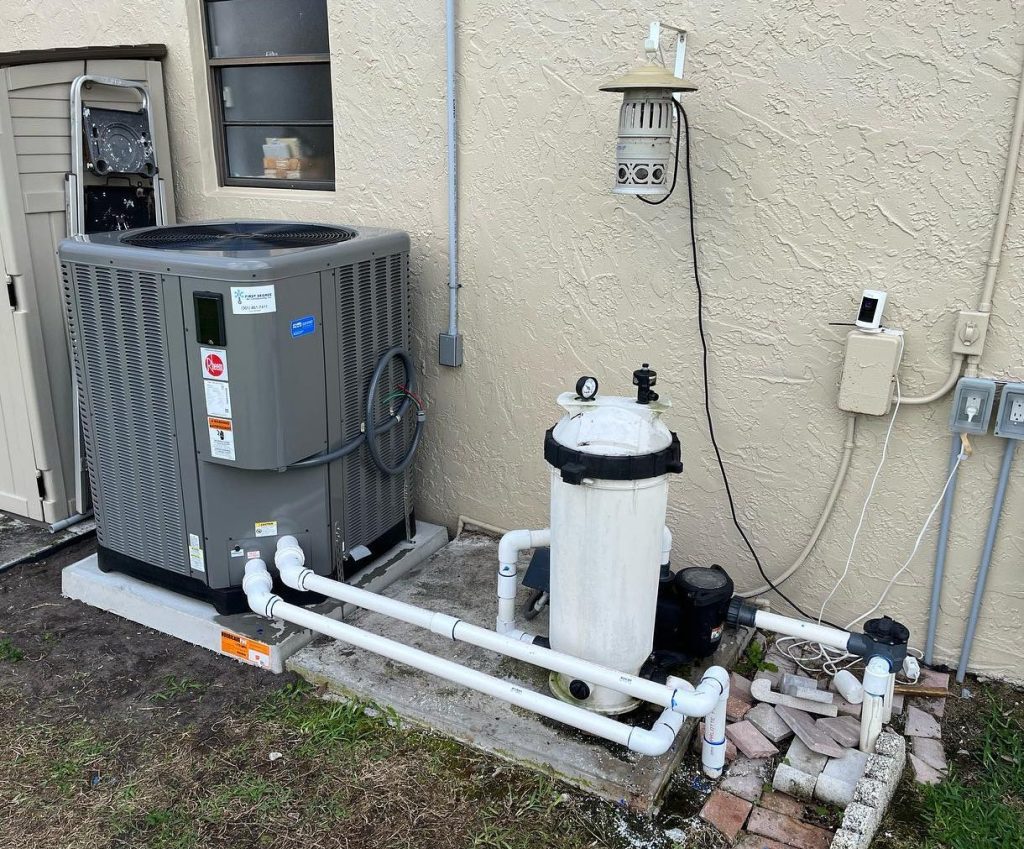
A pool heater is essential for maintaining comfortable water temperatures and extending your swimming season. Yet many pool owners are left frustrated when performance drops or the system stops working entirely. Understanding why Pool Heaters Fail helps homeowners and facility managers recognize warning signs early and avoid expensive downtime. From maintenance oversights to environmental stress, several factors contribute to heater breakdowns over time.
Whether you manage a backyard pool or a large aquatic facility, knowing the common causes of heater failure allows you to make smarter decisions about care, repairs, and long-term efficiency.
Common Reasons Pool Heaters Fail Over Time
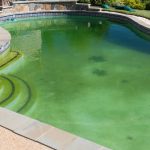
One of the main reasons Pool Heaters Fail is poor water chemistry. When pH levels are too high or too low, internal components such as heat exchangers can corrode or scale up. Calcium buildup restricts heat transfer, forcing the heater to work harder and shortening its lifespan.
Another major contributor is restricted water flow. Dirty filters, blocked pipes, or failing pumps reduce circulation, which can cause the heater to overheat and shut down as a safety measure. Electrical problems, including worn wiring, damaged control boards, or ignition failures, are also common issues that disrupt normal operation.
Age naturally plays a role as well. Even well-maintained systems experience wear and tear over time. Seals degrade, sensors lose accuracy, and metal parts weaken, making older heaters more vulnerable to breakdowns if inspections are skipped.
How Poor Maintenance Makes Pool Heaters Fail Faster
Lack of routine maintenance is one of the fastest ways Pool Heaters Fail prematurely. Skipping seasonal inspections allows minor problems to go unnoticed until they turn into major repairs. Simple issues such as loose connections, dirty burners, or clogged vents can escalate when left untreated.
Environmental exposure also matters. Leaves, insects, moisture, and debris can accumulate inside the unit, causing corrosion and airflow restrictions. In colder months, improper winterization can lead to freeze damage, cracking internal components and rendering the heater unusable when swimming season returns.
Consistent maintenance not only prevents unexpected failures but also ensures your heater runs safely and efficiently throughout its service life.
Residential Pool Heaters Unique Challenges for Homeowners
Residential pool heaters are designed for convenience and comfort, but they face unique challenges. Many homeowners unknowingly stress their systems by running heaters with unbalanced water chemistry or inadequate circulation. Short cycling, which involves turning the heater on and off frequently, can also strain ignition systems and internal controls.
Additionally, smaller residential units are more sensitive to debris buildup and airflow issues. Without regular professional checkups, these heaters are more likely to suffer reduced performance or sudden shutdowns, especially during peak swimming season.
Commercial Pool Heaters and High-Demand Usage
Commercial pool heaters operate under far greater demand than residential systems. Hotels, fitness centers, and community pools require consistent temperatures for extended hours, which accelerates wear on components. High bather loads also introduce more contaminants into the water, increasing the risk of corrosion and scale formation.
Because of this constant use, commercial systems require stricter maintenance schedules and professional oversight. Ignoring early warning signs in a commercial setting can result in complete system failure, costly downtime, and unhappy guests or members.
Energy-Efficient Pool Heaters and Modern Technology
Energy-efficient pool heaters offer long-term savings, but advanced technology comes with added complexity. Sensors, digital controls, and automation systems improve performance, yet they also require precise calibration and clean operating conditions. When these systems are neglected, efficiency drops and errors occur more frequently.
Even though energy-efficient models are built to last, they are not immune to failure. Regular servicing ensures these heaters deliver optimal performance while minimizing energy waste and unexpected repair costs.
Pool Boiler Systems and Structural Concerns
Pool boiler systems are commonly used for large pools and facilities that need rapid heating. These systems rely on complex plumbing and heat exchange mechanisms. When water quality is poor or pressure levels fluctuate, internal damage can occur quickly.
Boiler systems also require professional installation and ongoing inspections. Small leaks, pressure irregularities, or burner issues can compromise the entire system if not addressed promptly.
Why Professional Repairs Matter ?
When Pool Heaters Fail, professional diagnosis is critical. Attempting temporary fixes without proper training often leads to repeated breakdowns or safety risks. Certified technicians can identify underlying issues, restore efficiency, and recommend preventive solutions tailored to your pool type.
For pool owners seeking dependable support, Pool heater repair services in Indianapolis, IN, Feathers Bros Pool Service provide expert solutions designed to extend equipment life and maintain consistent water temperatures.
FAQs
How long does a typical pool heater last?
Most pool heaters last between 7 and 12 years, depending on usage, maintenance, and water chemistry. Regular servicing can significantly extend this lifespan.
Can regular maintenance prevent pool heater failure?
Yes. Routine inspections, cleaning, and water balance checks reduce wear on internal components and help prevent unexpected breakdowns.
What is the most common cause of pool heater malfunction?
Poor water chemistry is the leading cause, as corrosive or scale-forming water damages heat exchangers and sensors.
Can I repair my pool heater myself?
Minor tasks like cleaning filters may be manageable, but most heater repairs involve electrical or gas components and should be handled by professionals for safety and reliability.
How can I improve my pool heater’s efficiency?
Maintaining proper water balance, ensuring good circulation, keeping the unit clean, and scheduling annual professional service all help maximize efficiency.
Understanding why Pool Heaters Fail empowers pool owners to take proactive steps toward maintenance and timely repairs. With proper care and professional support, your pool heater can deliver reliable comfort season after season.