
Getting your pool ready after a long winter is one of the most important steps in maintaining clean, safe, and enjoyable water all season long. A well-planned approach ensures your pool is free of debris, your equipment is functioning correctly, and your water is properly balanced. This complete pool opening guide helps you follow every essential step so you can avoid costly repairs and enjoy crystal-clear water from day one.
A proper opening process is more than just uncovering your pool. It is about creating the right conditions for safe swimming. Whether you are handling the process yourself or hiring professionals, following a structured Pool Opening Checklist ensures nothing is overlooked.
Pool Opening Overview & Preparation
Before diving into the physical work, proper preparation is key. A strong start makes the entire opening process smoother and more efficient. Your pool opening checklist should begin with gathering tools such as a pool brush, vacuum, testing kit, and cleaning chemicals.
Understanding how to open a pool after winter helps prevent mistakes like damaging equipment or introducing unbalanced chemicals too quickly. The goal is to prepare the pool structure, water system, and surrounding area for safe use.
This stage also involves reviewing your pool startup checklist, which includes inspecting supplies and ensuring all components are ready. Following a structured approach makes preparing your pool for the swimming season much easier and more effective.
Removing Pool Cover & Cleaning
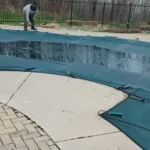
The first physical step in your Pool Opening Checklist is removing and cleaning the pool cover. Start with removing the pool cover safely to avoid pushing debris into the water. Before removal, clear off leaves, dirt, and standing water.
Proper winter pool cover removal prevents contamination of the pool. Once the cover is off, perform thorough pool cover debris removal and inspect it for damage. Cleaning and storing the cover properly will extend its lifespan.
Next, focus on cleaning leaves and debris from the pool using a skimmer or net. This step is essential for proper pool debris cleanup and sets the stage for effective cleaning and chemical balancing.
Pool Inspection & Equipment Check
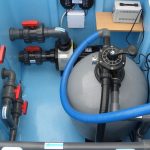
A crucial part of any Pool Opening Checklist is inspecting all pool equipment. Start with a complete pool equipment inspection checklist to ensure nothing is missed.
Check the pool pump inspection to confirm it runs smoothly without leaks or strange noises. Proper pool filter maintenance is equally important to ensure clean water circulation.
Inspect the pool heater check, especially if you plan to use it early in the season. Also, perform a detailed pool plumbing inspection to detect leaks or cracks. Ensuring proper checking pool circulation system performance helps maintain balanced water flow.
Finally, verify pool equipment startup and check valves, pipes, and connections to ensure everything operates correctly.
Pool Cleaning & Maintenance Tasks
Once equipment is inspected, move on to cleaning. A deep clean is essential for restoring water clarity and hygiene.
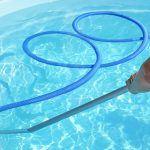
Start with deep pool cleaning, including brushing pool walls and floor to remove algae and buildup. Follow with vacuuming swimming pool and skimming pool surface to remove floating debris.
If algae is present, perform algae removal from pool using appropriate treatments. Don’t forget to clean tiles and apply a pool shock treatment to eliminate bacteria and contaminants.
Regular pool filter cleaning ensures your filtration system works efficiently, keeping your pool clean throughout the season.
Water Testing & Chemical Balancing
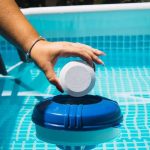
Proper water chemistry is the heart of a safe pool. Use your pool water testing kit to check key levels.
Focus on adjusting pH in the pool, maintaining proper chlorine levels in the swimming pool, and balancing alkalinity and calcium hardness. These elements are critical for pool chemical balancing.
If the water is not clean or balanced, perform shocking pool water to eliminate bacteria and restore clarity. Proper pool chemistry maintenance ensures a safe swimming environment and prevents long-term damage to pool surfaces and equipment.
Filling & Water Level Adjustment
After winter, your pool may lose water due to evaporation or leaks. Begin refilling swimming pool if necessary.
It’s important to monitor adjusting pool water level to ensure it stays within the recommended range. Proper water level is essential for filtration and circulation.
Add water gradually during the pool water refill process and maintain proper levels. Avoid overfilling, as this can affect the efficiency of your pool system.
Safety Checks & Final Inspection
Safety should always be part of your Pool Opening Checklist. Begin with a thorough pool safety inspection to identify any hazards.
Ensure all elements of the pool safety checklist are complete, including checking pool ladders and rails for stability. Inspect pool lighting to ensure visibility during evening use.
Check all pool safety features, including drains and covers, to ensure safe operation. The final step is a final pool inspection to confirm everything is ready for use.
Common Pool Opening Problems
Even with careful preparation, some issues may arise. One common issue is cloudy pool water after opening, often caused by poor filtration or chemical imbalance.
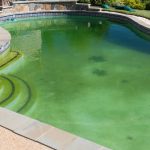
You may also encounter green pool water solutions if algae growth has occurred during winter. Address this with shock treatment and proper filtration.
Other problems include pool pump not working after winter, pool filter issues, and poor water circulation. These require troubleshooting and may involve cleaning, repairs, or professional help.
If problems persist, professional support can help fix pool opening problems efficiently and safely.
Professional Pool Opening Services
If you prefer a hassle-free experience, hiring experts is a smart choice. A professional pool opening service ensures every step is handled correctly.
Companies offering pool maintenance services and pool cleaning services can save time and prevent costly mistakes. With access to advanced tools and expertise, they provide reliable expert pool care services.
Choosing to hire a pool service company is especially helpful if you’re unsure about handling chemicals or equipment. Many homeowners trust services like Pool opening services in Indianapolis, IN provided by Feathers Bros Pool Service for dependable and professional results.
Understanding pool opening service cost helps you plan your budget while ensuring your pool is ready for safe use.
Ongoing Pool Maintenance After Opening
Opening your pool is just the beginning. Maintaining it throughout the season is equally important.
Follow a consistent pool maintenance schedule to keep water clean and equipment functioning properly. A weekly pool cleaning routine helps prevent buildup and contamination.
Implement regular pool maintenance tips such as checking chemical levels, cleaning filters, and skimming debris. Consistent effort ensures you are keeping pool water clean all season long.
Seasonal upkeep, or seasonal pool care, includes monitoring equipment and making necessary adjustments. Proper maintaining pool equipment ensures long-term performance and reduces repair costs.
FAQs
What is included in a pool opening checklist?
A pool opening checklist includes removing the cover, cleaning debris, inspecting equipment, balancing chemicals, refilling water, and performing safety checks.
How long does it take to open a pool?
Opening a pool can take anywhere from a few hours to a full day, depending on pool size and condition.
Can I open my pool myself?
Yes, but it requires knowledge of equipment and water chemistry. Many homeowners prefer professional services for safety and efficiency.
Why is my pool water cloudy after opening?
Cloudy water is usually caused by poor filtration, imbalanced chemicals, or debris buildup after winter.
How often should I maintain my pool after opening?
Weekly maintenance is recommended, including cleaning, testing water, and checking equipment to ensure proper operation.
Following this complete pool opening checklist ensures your pool is clean, safe, and ready for a great swimming season. Whether you handle it yourself or rely on experts, a proper start guarantees better water quality, improved equipment performance, and a more enjoyable experience all season long.