
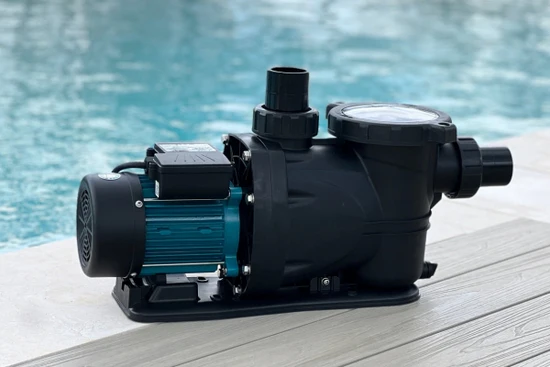
When it comes to keeping your pool clean, clear, and safe, your pump plays a bigger role than most homeowners realize. It is the heart of your entire pool circulation system, quietly working in the background to move water, support your filtration system, and keep everything balanced.
Not all pumps are created equal. The debate between a traditional pump and a modern variable speed pump is one many pool owners face today. Understanding the differences can help you make a smarter, more cost effective decision for your pool and your energy bill.
Understanding the Basics of Pool Pump Types
A standard pool pump, often called a single-speed pump, runs at one fixed speed usually at full power. While this ensures strong water movement, it also means the pump uses the same amount of energy whether your pool needs it or not.
On the other hand, a variable speed pump allows you to control motor speed based on your pool’s needs. This motor speed control is a game-changer because it lets you optimize performance for different tasks like filtration, heating, or cleaning.
Think of it like driving a car. A single speed pump is like flooring the gas pedal the entire time. A variable speed pump, however, lets you cruise at efficient speeds when full power is not needed, saving fuel or in this case electricity.
Variable Speed Pump: Energy Efficiency & Cost Savings
One of the biggest advantages of a variable speed pump is energy efficiency. These pumps are designed to run longer at lower speeds, which dramatically reduces energy consumption.
This makes them widely recognized as the best pool pump for energy efficiency. Over time, homeowners can see significant electricity cost reduction, especially compared to older systems.
Key Benefits of Energy Efficiency:
- Lower monthly electricity bills
- Reduced energy consumption of pool pumps
- Improved long-term cost savings
- Better return on investment (ROI) for pool upgrades
While the cost of a variable speed pump is typically higher upfront, the savings over time often outweigh the initial expense. Many pool owners find that their investment pays for itself within a few years.
Variable Speed Pump vs Single Speed: Performance Differences
When comparing a pool pump vs variable speed pump comparison, performance is another major factor.
A single-speed pump delivers high power all the time, which can be useful for heavy-duty tasks. However, this constant high-speed operation can lead to unnecessary strain and higher wear and tear.
A variable speed pump, however, uses variable flow rate technology to adjust performance based on need. This improves:
- Pool circulation system efficiency
- Water filtration system effectiveness
- Pool cleaning efficiency
- Overall water quality maintenance
Because it can run continuously at lower speeds, it also supports better circulation time for pools helping prevent debris buildup and improving chemical distribution.
Noise Levels: Quiet Operation Makes a Big Difference
Another major advantage of a variable speed pump is how quiet it operates. Traditional pumps can be loud due to constant high-speed motor activity.
In contrast, a variable speed model is considered low noise pool equipment. By running at lower speeds, it significantly reduces the decibel level of pool pumps, creating a more peaceful backyard environment.
If your pool is near your home or outdoor living space, this difference alone can be a major reason to upgrade.
Maintenance, Durability & Lifespan
When comparing pump types, durability is another key consideration.
A traditional pump runs at full speed all the time, which increases equipment wear and tear. This can lead to more frequent repairs and a shorter lifespan.
A variable speed pump, however, is designed for durability. Because it operates at lower speeds for longer periods, it reduces strain on the motor and helps prevent overheating. This leads to:
- Longer pump lifespan
- Fewer breakdowns
- Reduced maintenance needs
- Improved motor overheating prevention
Routine pool pump maintenance is still important, but variable speed systems typically require fewer service calls over time.
If you ever run into issues, professional services like Pool pump repair services in Indianapolis, IN from trusted providers such as Feathers Bros Pool Service can help diagnose and maintain your system efficiently.
Installation & Upgrading Considerations
Installing or upgrading to a variable speed pump can be a smart move, especially if your current system is outdated.
The installation process may require professional expertise, especially when dealing with wiring, programming, and compatibility with your existing pool equipment. This ensures your system runs efficiently and safely.
Key installation considerations include:
- Pump horsepower (HP) compatibility
- Integration with your current filtration system
- Proper programming for optimal run times
- Compliance with energy standards like Energy Star
A professional can also help determine the best run schedule to maximize efficiency and minimize costs.
Environmental Benefits: A Greener Pool Solution
Switching to a variable speed pump is not only good for your wallet, it is also better for the environment.
By reducing energy consumption, these pumps help lower your carbon footprint and promote sustainable pool maintenance. Many models are designed to meet Energy Star standards, making them an eco-friendly pool equipment choice.
This aligns with modern green pool technology, helping homeowners contribute to a more sustainable future without sacrificing performance.
Which One Should You Choose?
Choosing between a single-speed pump and a variable speed pump ultimately depends on your priorities.
If you want lower upfront costs and simple operation, a traditional pump may still serve basic needs. However, if you’re looking for long-term savings, improved performance, and quieter operation, a variable speed pump is the clear winner.
For most homeowners today, especially those focused on efficiency and sustainability, upgrading to a variable speed system is a smart investment
Final Thoughts
A pool pump isn’t just a mechanical component. It’s the backbone of your entire pool system. The difference between a standard pump and a variable speed pump can impact everything from your electricity bill to your water quality and your overall pool experience.
By understanding the key differences, you can make an informed decision that keeps your pool running smoothly while saving money in the long run.
FAQs
Is a variable speed pump worth the investment?
Yes. While the upfront cost is higher, the long-term savings on electricity and reduced maintenance make it a worthwhile investment for most pool owners.
How much energy can a variable speed pump save?
A variable speed pump can significantly reduce energy consumption, often cutting electricity use by up to 70% compared to single-speed pumps.
How long should a variable speed pump run each day?
Most pools benefit from running a variable speed pump for 8–12 hours per day at lower speeds, depending on size and usage.
Are variable speed pumps quieter than traditional pumps?
Yes. They operate at lower speeds, which results in a much quieter, low noise pool equipment experience.
Do variable speed pumps require special maintenance?
They require standard pool pump maintenance, but because they experience less strain, they often need fewer repairs over time.