
A perfectly clear swimming pool can look inviting on the surface, but the real story is always happening in the water you cannot see. One summer afternoon, imagine stepping into a pool that looks clean but carries an odd smell and slightly cloudy water. That is often the moment pool owners realize something important that appearance is not the same as safety. This is where understanding Pool Chlorine Levels becomes essential not just for comfort but also for protecting every swimmer in the water.
For homeowners and property managers alike, maintaining balance isn’t complicated, but it does require consistency and awareness. When chlorine is too low, bacteria and algae quietly take over. When it’s too high, swimmers feel irritation and discomfort. The sweet spot in between is what keeps water truly safe.
Key Takeaways
- Proper chlorine balance keeps pool water safe, clear, and comfortable
- Both low and high chlorine levels create health and maintenance issues
- Regular testing is the simplest way to prevent major pool problems
- Seasonal changes and usage patterns directly affect chlorine stability
Why Pool Chlorine Balance Matters More Than You Think
At its core, chlorine is the pool’s primary defense system. It disinfects water by killing harmful bacteria, breaking down organic debris, and preventing algae growth. But here’s the catch. Chlorine only works well when it is balanced correctly.
What “balanced chlorine” actually means
Pool Chlorine Levels refer to the amount of free chlorine present in pool water that actively sanitizes against contaminants. For most residential pools, this level is typically maintained within a safe range that ensures both hygiene and swimmer comfort.
A safe swimming environment depends on more than just adding chlorine. It depends on maintaining equilibrium. This is where swimming pool water balance becomes a daily consideration rather than a one-time task.
Even a well-maintained pool can drift out of balance due to:
- Heavy swimmer load
- Sunlight exposure breaking down chlorine
- Rainwater dilution
- Organic debris like leaves or sunscreen
That’s why consistent monitoring is essential for stable Pool Chlorine Levels.
Understanding the Safe Range for Chlorine
Most pool professionals agree that a safe pool chlorine range sits between 1–3 parts per million (ppm). This range is widely accepted for residential swimming pools because it effectively disinfects water without causing irritation.
When Pool Chlorine Levels drop below this range, bacteria and algae find an opportunity to grow. When they rise above it, swimmers may experience skin dryness, red eyes, or a strong chemical smell.
This balance is at the heart of proper chlorine levels for pools, and maintaining it is one of the most important parts of long-term pool care.
The Hidden Problems Behind Imbalanced Chlorine
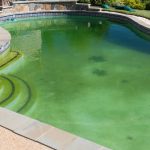
Many pool owners don’t realize there’s an issue until the water already looks or feels wrong. But by then, correcting Pool Chlorine Levels becomes more difficult and time-consuming.
Common issues caused by imbalance:
- Cloudy or dull water
- Slippery pool walls (early algae)
- Strong chlorine odor (often mistaken for “too much chlorine”)
- Eye and skin irritation
One of the most misunderstood facts is that a strong chlorine smell often signals too little chlorine, not too much. That smell actually comes from chloramines, compounds formed when chlorine is used up fighting contaminants.
This is where pool chlorine maintenance plays a critical role in preventing long-term water issues.
Free Chlorine vs Total Chlorine
Free chlorine is the active sanitizer that kills bacteria.
Total chlorine includes both free chlorine and used-up chlorine (chloramines).
If total chlorine is high but free chlorine is low, your pool may still be unsafe even if test results look “normal.” This is why professionals emphasize testing beyond surface level readings.
Step-by-Step: How to Test Pool Chlorine Levels
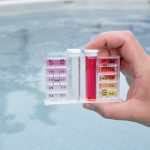
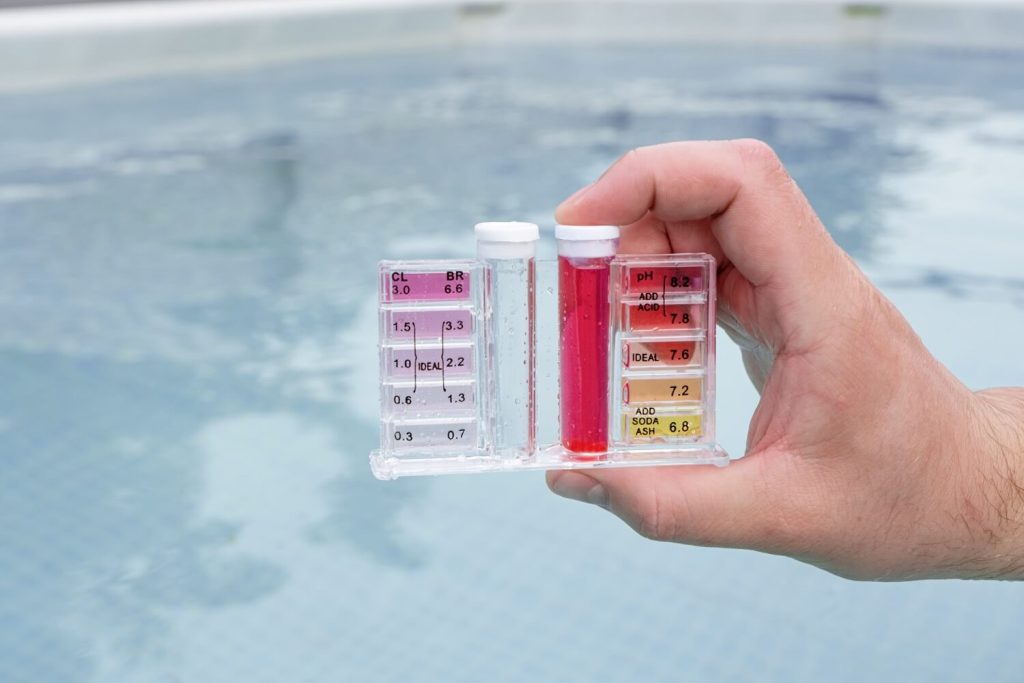
Keeping Pool Chlorine Levels stable starts with proper testing. Here’s a simple routine any pool owner can follow:
- Use a reliable test kit or test strips
- Collect water from elbow depth in the pool
- Compare readings for free and total chlorine
- Adjust chemicals gradually if needed
- Retest after circulation
Consistency is key. Testing at least 2–3 times per week during peak season helps maintain pool water chemical balance before issues develop.
Pool Chlorine Management Framework (Simple & Practical)
Here’s a straightforward system used by professionals:
|
Practice |
When it helps |
Simple cue |
Mistake |
|
Regular testing |
Weekly maintenance |
Clear water check |
Waiting until water looks bad |
|
Shock treatment |
After heavy use or storms |
Cloudy water or odor |
Over-shocking pool |
|
Stabilizer use |
Sunny climates |
Rapid chlorine loss |
Ignoring UV breakdown |
|
Filtration cycles |
Daily circulation |
Pump schedule |
Short run times |
This framework helps maintain consistent Pool Chlorine Levels without overcorrecting or wasting chemicals.
What Most Pool Owners Get Wrong
A common misconception is that more chlorine always means cleaner water. In reality, over-chlorination can be just as problematic as under-chlorination.
Another misunderstanding is relying only on appearance. A crystal-clear pool may still have unstable Pool Chlorine Levels if it hasn’t been tested recently.
This is why professionals like Feathers Bros Pool Service emphasize routine checks as part of overall Pool Chemical Balancing in Indianapolis, IN and similar service regions.
Real-World Example: When Balance Makes the Difference
A homeowner notices their pool water looks slightly hazy but assumes it’s fine because there’s no visible algae. After a weekend pool party, swimmers begin complaining of eye irritation. A quick test reveals low free chlorine despite a normal total chlorine reading.
The issue wasn’t obvious visually, but the Pool Chlorine Levels were already out of balance.
After proper adjustment and filtration, the water returns to a clean, comfortable state within a day. This is a common scenario where early testing could have prevented the problem entirely.
A Voice from Experience
As Benjamin Franklin once said:
“An ounce of prevention is worth a pound of cure.”
This applies perfectly to pool care. Maintaining balanced chlorine is far easier than fixing a neglected pool.
Pool Chlorine Levels and Seasonal Changes
Weather plays a major role in how quickly chlorine is consumed. In hot, sunny months, chlorine breaks down faster. Heavy rain can dilute it. Increased swimming activity also speeds up consumption.
This is why Pool Chlorine Levels must be adjusted seasonally rather than treated as a fixed number year-round.
Understanding these patterns helps prevent sudden algae blooms and keeps maintenance predictable.
Pool Algae Prevention Starts with Chlorine Stability
Algae is one of the most common issues in residential pools and one of the easiest to prevent. Stable Pool Chlorine Levels, combined with good circulation and filtration, create an environment where algae simply cannot thrive.
If chlorine drops even briefly, algae spores can activate quickly, especially in warm weather.
How Feathers Bros Pool Service Helps Maintain Balance
Professional maintenance ensures that chlorine levels don’t just fluctuate within a range but stay consistently stable.
Feathers Bros Pool Service focuses on proactive care, helping homeowners avoid guesswork and maintain long-term water clarity through expert monitoring and adjustments.
Conclusion
Understanding Pool Chlorine Levels is not just about adding chemicals. It is about creating a stable and healthy swimming environment. When levels are properly maintained, water stays clear, safe, and comfortable for everyone. When ignored, small imbalances quickly turn into bigger maintenance problems.
The key is consistency: test regularly, adjust carefully, and never rely on appearance alone. With the right approach, maintaining balanced water becomes simple and stress-free.
Summary
Maintaining balanced chlorine is the foundation of safe pool ownership. Proper Pool Chlorine Levels ensure clean, bacteria-free water while preventing irritation and algae growth. With regular testing and consistent care, pool water remains stable and enjoyable throughout the swimming season. Trusted maintenance support from professionals like Feathers Bros Pool Service helps ensure long-term clarity and safety.
FAQs
What are ideal Pool Chlorine Levels for swimming pools?
The ideal range is generally between 1–3 ppm, ensuring safe and comfortable swimming conditions.
How often should I check Pool Chlorine Levels?
It’s best to test at least 2–3 times per week during swimming season for stable water quality.
Why do my Pool Chlorine Levels drop quickly?
Sunlight, heavy use, rain, and debris can all reduce chlorine effectiveness faster than expected.
Can Feathers Bros Pool Service help with chlorine balancing?
Yes, Feathers Bros Pool Service provides professional maintenance to keep chlorine and water chemistry properly balanced year-round.
What happens if chlorine levels are too high?
High chlorine can cause skin irritation, red eyes, and may damage pool surfaces or equipment over time.