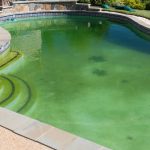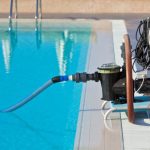

You walk outside on a warm Saturday morning, coffee in hand, expecting a crystal-clear pool ready for the weekend. Instead, the water looks cloudy, the pump is humming louder than usual, and barely any water is moving through the jets. It is one of those frustrating moments many pool owners know too well. Most of the time, the issue starts with the heart of the system, the pool pump.
Ignoring small warning signs can quickly turn simple maintenance into expensive repairs. The good news is that many common pump issues are preventable when you understand what causes them and how to respond early.
Key Takeaways
- Most pool pump issues begin with poor circulation, clogged components, or lack of routine care.
- Strange noises, overheating, and leaks are often early warning signs.
- Regular inspections and cleaning can extend the life of your pool equipment.
- Professional help can prevent small problems from becoming major system failures.
What Are Pool Pump Problems?
Pool Pump Problems refer to mechanical or circulation-related issues that prevent a pool pump from moving water efficiently through the filtration system. These problems may include leaks, pressure loss, overheating, motor failure, or clogged components.
A properly working pump keeps water clean, balanced, and safe for swimming. When circulation slows down, everything from water clarity to chemical effectiveness starts to suffer.
Why Pool Pumps Fail More Often Than Homeowners Expect
Pool pumps work hard every single day, especially during peak summer months. Heat, debris, chemical exposure, and continuous operation naturally wear down internal parts over time. Sometimes the issue develops gradually, and other times it happens overnight.
One common misconception is that pumps suddenly “die” without warning. In reality, most Swimming pool pump issues begin with subtle symptoms that homeowners overlook.
You may notice:
- Reduced water movement
- A louder motor sound
- Air bubbles in the return lines
- Rising energy bills
- Water leaking near the equipment pad
These signs usually point to underlying circulation or mechanical problems that need attention before the entire system is affected.
The Most Common Pool Pump Problems and Their Fixes
1. Pool Pump Not Working at All
Few things are more frustrating than turning on your system and hearing nothing.
This issue can happen because of:
- Tripped breakers
- Electrical connection problems
- A failed capacitor
- Overheated motors
- Internal motor damage
Start by checking the breaker panel and timer settings. If power is reaching the pump but the motor still will not start, the capacitor or motor may need professional inspection.
Many homeowners delay service because the pump eventually starts again after cooling down. Unfortunately, repeated overheating often leads to permanent motor failure.
2. Low Pool Water Pressure
Low pool water pressure is one of the most common circulation complaints. You may notice weak jet flow or poor skimmer performance.
The cause is often simple:
- Dirty filter cartridges
- Blocked skimmer baskets
- Clogged pump baskets
- Partially closed valves
A clean filtration system usually restores normal circulation quickly. However, if pressure remains low after cleaning, the problem may involve suction-side leaks or worn impellers.
According to the U.S. Department of Energy, regular pool equipment maintenance can significantly improve efficiency and reduce unnecessary energy use.
U.S. Department of Energy Pool Maintenance Guide
3. Air Leak in Pool Pump
An Air leak in pool pump systems often creates visible bubbles in the return jets or pump basket.
This usually happens when:
- Pump lid O-rings dry out
- Fittings loosen
- Suction lines crack
- Valves lose their seal
Air leaks may seem harmless at first, but they can reduce circulation efficiency and force the pump to work harder than necessary.
A quick inspection of seals and fittings can sometimes solve the issue. Lubricating O-rings and tightening loose connections are simple fixes many homeowners can handle themselves.
A Simple Framework for Diagnosing Pump Issues
When homeowners feel overwhelmed by equipment problems, it helps to follow a simple process.
The “LISTEN” Framework
- Look for leaks, debris, or visible cracks
- Inspect baskets and filters for blockages
- Study pressure readings on the filter gauge
- Track unusual sounds or overheating
- Evaluate circulation performance
- Notify a professional if problems continue
This approach prevents guesswork and helps catch minor issues early.
The Truth About Noisy Pool Pumps
A noisy pump does not always mean complete failure, but it should never be ignored.
Noisy pool pump solutions depend on identifying the sound itself.
Common pump noises include:
- Grinding sounds from worn bearings
- Screeching from motor strain
- Rattling caused by loose parts
- Cavitation noises from restricted water flow
As author Henry Ford once said,
“Quality means doing it right when no one is looking.”
That mindset applies perfectly to pool equipment care. Small maintenance habits often prevent the loud, costly breakdowns homeowners dread later.
Mid-Season Maintenance Mistakes That Cause Bigger Problems
Many homeowners unintentionally shorten the life of their pump through inconsistent care.
Here are some of the most common mistakes:
Practice | When it helps | Simple cue | Mistake |
Cleaning skimmer baskets | Weekly | Water flow slows | Waiting until fully clogged |
Checking seals | Monthly | Small drips appear | Ignoring tiny leaks |
Monitoring pressure | After cleaning | Gauge rises | Assuming pressure changes are normal |
Running correct pump hours | Summer season | Water clarity changes | Running nonstop unnecessarily |
Routine Pool pump maintenance often matters more than expensive repairs later.
Pool Pump Motor Problems Homeowners Should Watch Closely
The motor is the most expensive part of the system, which makes early detection extremely important.
Pool pump motor problems usually begin with:
- Excessive heat
- Humming sounds
- Frequent shutdowns
- Burnt smells
- Difficulty starting
Heat is especially hard on older motors during peak summer temperatures. Poor airflow around equipment pads can make the issue worse.
If your motor repeatedly overheats, continuing to run it can permanently damage internal windings.
When Pool Circulation Problems Affect Water Quality
Many pool owners focus only on chemicals when water turns cloudy, but Pool circulation problems are often the real culprit.
Without proper movement:
- Chlorine distributes unevenly
- Debris settles faster
- Algae growth becomes more likely
- Filtration efficiency drops
Good circulation supports every other part of pool care. Even perfectly balanced water chemistry struggles when water is not moving correctly.
This is why experienced technicians often inspect circulation first before adjusting chemicals.
A Realistic Homeowner Scenario
Imagine a homeowner preparing for a family gathering. The pool looked fine all week, but two days before guests arrive, the water suddenly becomes cloudy and the jets feel weak.
At first, they assume the chemicals are off. After adding extra chlorine, nothing improves.
Eventually, they discover a clogged pump basket combined with a dirty filter cartridge restricting water flow. Once cleaned, circulation returns and the water clears within a day.
Situations like this happen constantly because circulation issues often disguise themselves as water chemistry problems.
When DIY Fixes Are Enough And When They Are Not
Some minor problems are manageable without professional help.
DIY-friendly fixes:
- Cleaning baskets and filters
- Tightening loose fittings
- Replacing worn O-rings
- Resetting breakers
Call a professional when:
- Motors overheat repeatedly
- Electrical smells appear
- Leaks continue after repairs
- Pressure problems persist
- The pump stops starting consistently
Professional Pool pump repair services in Indianapolis, IN can often diagnose deeper equipment issues before they damage the entire filtration system.
Preventing Future Problems Before They Start
Preventive care is always cheaper than emergency repairs.
A few habits make a major difference:
- Keep debris out of skimmers
- Clean filters consistently
- Monitor water levels weekly
- Listen for unusual sounds
- Schedule seasonal inspections
Many homeowners only react once equipment fails. The better approach is spotting small changes early while repairs remain simple and affordable.
Conclusion
Pool equipment problems rarely happen without warning. Most Pool Pump Problems begin with small signs like unusual sounds, weak circulation, rising pressure, or minor leaks. Paying attention to these early symptoms can save homeowners from expensive repairs and frustrating downtime during swimming season.
Consistent maintenance, proper cleaning, and fast action when issues appear help protect both your equipment and water quality. Whether you are dealing with a noisy motor, circulation concerns, or a complete shutdown, understanding how your system works gives you greater confidence as a pool owner. Feathers Bros Pool Service helps homeowners keep their systems running efficiently with dependable service and long-term care solutions.
Summary
Pool pumps play a critical role in keeping water clean, balanced, and safe for swimming. Common issues like leaks, low pressure, overheating, and motor strain often begin with small warning signs that homeowners can catch early. Regular inspections, cleaning, and proper maintenance help reduce costly breakdowns and extend equipment life. When problems continue despite basic troubleshooting, professional service can prevent more serious system damage.
FAQs
What causes most Pool Pump Problems?
Most issues are caused by clogged filters, restricted water flow, worn seals, overheating motors, or poor routine maintenance.
How often should Pool pump maintenance be performed?
Basic maintenance should be done weekly during swimming season, including basket cleaning, filter checks, and monitoring pressure levels.
Can Feathers Bros Pool Service help with pump inspections?
Yes, Feathers Bros Pool Service provides professional inspections and maintenance to help identify equipment problems before they become major repairs.
Why is my pool pump making loud noises?
Loud noises often point to worn bearings, restricted water flow, loose components, or internal motor strain.
When should I hire a professional for Swimming pool pump issues?
You should contact a professional if your pump repeatedly overheats, loses pressure, leaks continuously, or stops running properly despite basic troubleshooting.