
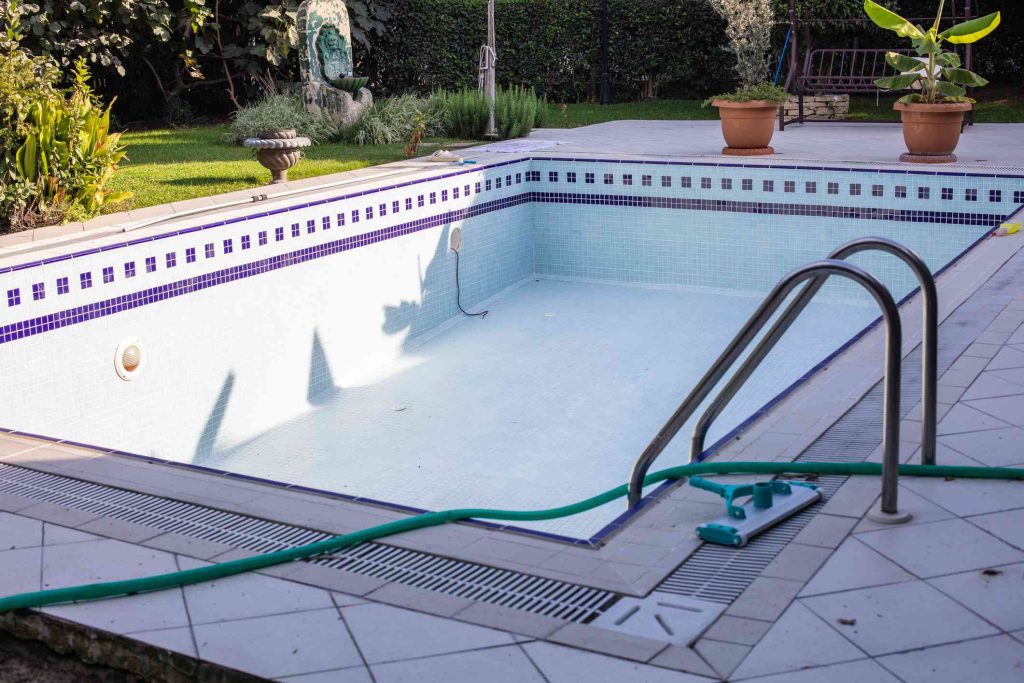
Draining your pool might seem like a simple task, but doing it incorrectly can lead to expensive damage and long-term structural issues. Homeowners often underestimate the importance of following the correct swimming pool draining process, which is why learning the right approach is essential. Whether you are preparing for deep cleaning, repairs, or seasonal maintenance, knowing how to drain a Swimming Pool properly can protect your investment and extend the life of your pool.
In this guide, we will walk you through safe pool draining methods, tools you need, and the precautions to take so you can complete the job efficiently and without risk.
When Should You Drain a Swimming Pool
Before starting, it is important to determine whether draining is actually necessary. In many cases, issues like cloudy water or minor algae can be resolved without fully emptying the pool. However, there are situations where draining becomes unavoidable.
If your pool has severe algae buildup, high levels of contaminants, or requires resurfacing, draining is often the best solution. It is also necessary when preparing for acid washing or major repairs. Understanding when not to drain a pool is just as important, especially in areas with high groundwater levels where pressure can cause structural damage.
By evaluating the condition of your pool, you can decide whether a full or partial drain is the right choice.
Essential Tools for the Swimming Pool Draining Process
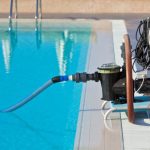
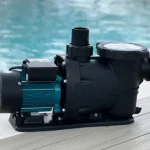
To drain a pool safely, having the right equipment is crucial. The most commonly used tool is a submersible pump for pool draining, which efficiently removes water without putting stress on your pool system.
A proper pool sump pump setup allows for controlled water removal, reducing the risks of draining too quickly. For homeowners looking for alternatives, the siphon method for draining pool water can work for smaller pools, although it is slower.
Choosing the best pump to drain a swimming pool depends on the size and type of your pool. Investing in the right equipment not only makes the job easier but also ensures safe water removal from the pool.
Step by Step Guide to Drain a Swimming Pool Safely
Learning the correct pool draining steps helps you avoid costly mistakes. Follow this structured approach to ensure a smooth and safe process.
1. Turn Off Pool Equipment
Before starting, shut down all electrical components, including pumps and heaters. This prevents damage during water removal.
2. Set Up Your Pump
Place the submersible pump at the deepest part of the pool. Make sure the discharge hose is directed toward an approved drainage area.
3. Start Draining Gradually
Begin removing water slowly. Fast draining can increase the risks of draining a swimming pool, including structural stress and cracking.
4. Monitor Water Levels
Keep an eye on the process as the water level drops. This is especially important when draining an inground pool safely, as groundwater pressure can affect stability.
5. Remove Remaining Water
Once most of the water is gone, you may need to manually remove small amounts left behind.
By following these steps, you can drain a Swimming Pool without causing unnecessary damage.
How to Drain a Swimming Pool Without a Pump
If you do not have access to a pump, there are still ways to empty your pool at home. The siphon method is a simple and cost-effective solution.
To use this method, you will need a long hose. Submerge the hose completely in the pool, then allow gravity to pull the water out. While this method is slower, it can be effective for smaller pools or minor draining tasks.
Understanding how to drain a pool without a pump is useful for emergencies, but for larger pools, professional equipment is always recommended.
Safety Tips to Avoid Damage While Draining
Draining a pool comes with certain risks, and taking precautions is essential to avoid costly repairs. One of the biggest concerns is groundwater pressure pool damage, which can cause the pool shell to lift or crack.
To prevent this, never leave your pool empty for extended periods. Pool liner damage prevention is also critical for above-ground pools, as liners can shrink or warp when exposed to heat.
Another important factor is timing. Avoid draining during extremely hot weather, as direct sunlight can damage surfaces. Following safe pool draining methods ensures that your pool remains structurally sound throughout the process.
Pool Deep Cleaning After Draining
Once the pool is empty, it is the perfect opportunity for a thorough cleaning. Cleaning an empty swimming pool allows you to remove stubborn stains, algae, and debris that cannot be addressed when the pool is full.
Many homeowners take this time to perform acid washing pool steps to restore the surface. This process helps remove discoloration and buildup, leaving your pool looking like new.
Additionally, pool resurfacing preparation can be completed during this stage if repairs are needed. Proper cleaning sets the foundation for effective pool maintenance after draining.
How to Refill a Swimming Pool Properly
After cleaning and repairs, refilling your pool correctly is just as important as draining it. A proper pool water replacement guide ensures balanced water levels and prevents future issues.
When refilling, use a steady water source and monitor the process to avoid overfilling. Understanding how long to refill a pool depends on its size and water pressure.
Once filled, balancing pool chemicals after refill is essential. This step ensures safe swimming conditions and protects your pool equipment. Proper water level management in pools helps maintain long-term performance and efficiency.
Professional Help for Hassle-Free Pool Draining
While many homeowners choose to handle pool draining themselves, there are times when professional assistance is the safer option. Complex situations, such as high groundwater levels or structural concerns, require expert knowledge.
Companies like Feathers Bros Pool Service provide reliable Pool Maintenance Services in Indianapolis, IN, ensuring that your pool is drained, cleaned, and maintained without risk. Professional services can save time, prevent damage, and deliver better results.
Common Mistakes to Avoid
Many pool owners make simple mistakes that lead to costly repairs. Draining too quickly is one of the most common issues, as it increases pressure on the pool structure.
Another mistake is ignoring weather conditions. Rain can interfere with the draining process, while extreme heat can damage pool surfaces. Failing to follow proper pool draining steps can also lead to uneven water removal and structural stress.
By avoiding these errors, you can safely drain a Swimming Pool and maintain its condition for years to come.
Conclusion
Learning how to properly drain a Swimming Pool at home is an important part of responsible pool ownership. From understanding when to drain to following the correct swimming pool draining process, each step plays a role in protecting your investment.
By using the right tools, following safe pool draining methods, and taking necessary precautions, you can complete the task without risking damage. Whether you are performing routine maintenance or preparing for major repairs, proper draining ensures your pool remains in excellent condition.
With the right knowledge and approach, you can confidently drain a Swimming Pool and keep it ready for years of enjoyment.
FAQs
How often should you drain a swimming pool
Most pools only need to be drained every 3 to 5 years, depending on water quality and maintenance practices.
Can I drain my pool without a pump
Yes, the siphon method can be used, but it is slower and best suited for smaller pools.
Is it safe to drain a pool completely
It can be safe if done correctly, but there are risks such as structural damage and groundwater pressure issues.
How long does it take to drain a swimming pool
The time depends on pool size and pump capacity, but it typically takes several hours to a full day.
What should I do after draining my pool
After draining, clean the pool thoroughly, perform any repairs, and refill it while balancing the water chemistry.