
When winter finally loosens its grip and warm days start hinting at summer, there’s one sight every pool owner looks forward to, their backyard pool coming back to life. But the excitement can quickly fade if the opening process is rushed or skipped in parts. Learning how to open a pool the right way is less about speed and more about careful steps that protect your water quality, equipment, and overall swimming experience.
A properly reopened pool doesn’t just look clean, it feels safe, balanced, and ready for months of use. That’s why following a structured approach matters more than most homeowners realize.
Key Takeaways
- A proper Pool opening checklist prevents costly mistakes and algae growth
- Equipment inspection is just as important as cleaning
- Water chemistry after winter determines swim safety
- Rushing the process often leads to long-term issues
- Professional help like Feathers Bros Pool Service can simplify everything
Why Opening a Pool After Winter Feels Overwhelming
After months of cold weather, a pool isn’t just “closed”, it’s dormant. Leaves settle at the bottom, water chemistry drifts out of balance, and equipment sits unused. Many homeowners underestimate this shift, which is why spring pool maintenance becomes such an essential seasonal task.
This is where understanding how to open a pool properly makes all the difference. It is not just removing a cover. It is restarting an entire water system safely.
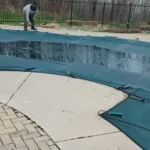
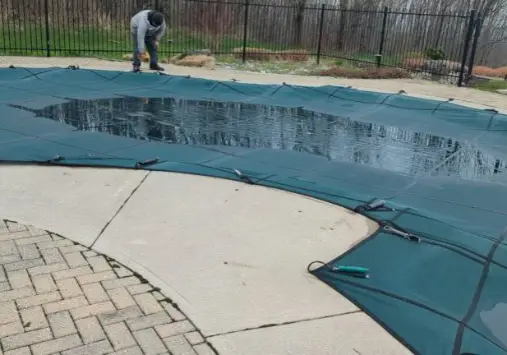
Even something as simple as Winter pool cover removal can introduce debris into the water if done carelessly. And once contamination starts, the rest of the process becomes harder and more expensive.
How to Open a Pool After Winter Safely
Before getting into the hands-on steps, it helps to think of pool opening as restarting a small backyard ecosystem. Everything is connected. Water quality, equipment performance, and chemical balance all depend on how carefully each step is handled.
A Simple Definition
How to Open a Pool refers to the seasonal process of removing winter protection, cleaning the pool, restarting all circulation equipment, and balancing water chemistry so the water is safe, clear, and ready for swimming.
Step-by-Step Seasonal Restart
A proper pool opening follows a clear and predictable sequence. Skipping steps or rushing the process can lead to cloudy water, algae growth, or equipment issues later in the season.
- Remove and clean the pool cover carefully before storing it
- Inspect water level and remove any debris that collected over winter
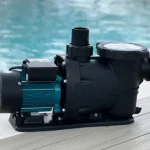
- Reconnect and test all filtration equipment, including pump and skimmer system
- Start the circulation system and allow water to begin flowing properly again
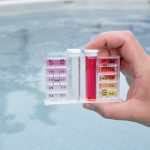
- Balance water chemistry after winter stagnation by adjusting chlorine, pH, and alkalinity
- Perform a shock treatment if needed, especially if water appears cloudy or shows signs of algae
Why This Process Matters
Following these steps ensures that the pool transitions smoothly from winter shutdown to active use. When done correctly, How to Open a Pool becomes a straightforward seasonal routine rather than a stressful repair situation.
Each step builds on the last, creating a stable foundation for clean water, safe swimming conditions, and properly functioning equipment throughout the season.
The Step-by-Step Breakdown
When homeowners search for How to Open a Pool, they’re usually looking for clarity, not complexity. Here’s how the process naturally unfolds:
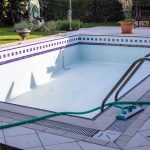
First, the cover is removed and cleaned to avoid dumping debris into the water. Next, the pool is visually inspected for algae growth, stains, or structural issues. This is also where cleaning a pool after winter storage begins in a meaningful way.
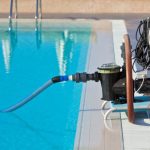
Then comes equipment. Restarting pumps and filters is crucial because stagnant systems often need careful priming. Restarting the pool pump and filter incorrectly can cause air locks or damage.
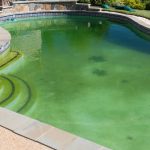
Finally, water treatment begins. This includes chlorine adjustment, pH balancing, and sometimes removing algae from pool water if winter conditions allowed growth.
Common Mistakes Homeowners Make
Even experienced pool owners slip up when figuring out How to Open a Pool after a long winter pause. The most common mistakes include:
- Turning on equipment before checking for damage
- Skipping debris removal under the cover
- Ignoring early signs of algae
- Overloading chemicals at once instead of balancing gradually
- Not running the filtration system long enough
A rushed Pool startup process often leads to cloudy water and repeated corrections. Patience always pays off here.
Pool Opening Framework: The SMART Approach
A simple way to remember How to Open a Pool effectively is the SMART framework:
- S – Sweep and remove debris first
- M – Mechanically inspect all equipment
- A – Adjust water chemistry slowly
- R – Run filtration continuously for clarity
- T – Test water daily during first week
This framework reduces confusion and ensures nothing is missed during Swimming pool seasonal maintenance tips.
Mid-Process Comparison Table
|
Practice |
When it helps |
Simple cue |
Mistake |
|
Debris removal |
First step after cover removal |
Water surface is visible |
Letting debris sink |
|
Equipment restart |
Before chemical treatment |
Pump runs smoothly |
Ignoring air locks |
|
Water balancing |
After circulation begins |
Water looks slightly clear |
Adding chemicals too quickly |
|
Shock treatment |
If algae is present |
Water is cloudy or green |
Over-shocking pool |
Real-World Example
Imagine a homeowner opening their pool in early spring without checking the filter system. They immediately add chemicals, expecting clear water overnight. Instead, the water turns cloudy because circulation wasn’t restored properly.
Now compare that with a more careful approach to How to Open a Pool: the owner inspects equipment first, runs the pump for 24 hours, and then balances chemicals gradually. Within a few days, the water clears naturally with far fewer chemicals and less frustration.
This is exactly why small steps matter more than speed.
Professional Insight
Many homeowners eventually realize that Pool opening services in Indianapolis, IN can save time and prevent early-season mistakes. Companies like Feathers Bros Pool Service handle everything from equipment inspection to water balancing, ensuring a smooth seasonal transition without guesswork.
Expert Tip + Quote
As Benjamin Franklin once said:
“By failing to prepare, you are preparing to fail.”
That statement fits perfectly when learning How to Open a Pool. Preparation is what separates a stressful pool opening from a smooth one.
Conclusion
Opening a pool after winter is not just a checklist, it’s a reset process that brings your backyard back to life. When done correctly, How to Open a Pool becomes a predictable and manageable routine rather than a stressful seasonal task.
From cleaning and inspection to chemical balancing and filtration, each step builds toward safe, clear water. Skipping even one part can delay the entire process.
That’s why following a structured approach, or relying on experienced help, makes such a difference every spring.
Summary
Opening your pool after winter requires patience, structure, and attention to detail. When you follow the right process for How to Open a Pool, you protect your equipment, improve water quality, and ensure a safe swimming environment. With consistent maintenance and careful preparation, your pool can be ready for the season without unnecessary setbacks or repairs.
FAQ
What is the first step in How to Open a Pool?
The first step is removing and cleaning the pool cover carefully before allowing debris to enter the water.
How long does pool opening usually take?
It typically takes 1–3 days depending on water condition and equipment readiness.
Do I need to shock my pool after winter?
Yes, Pool shocking after winter is often necessary to eliminate bacteria and restore water clarity.
Can Feathers Bros Pool Service handle full pool opening?
Yes, Feathers Bros Pool Service provides complete seasonal pool opening and maintenance support.
What if my pool turns green after opening?
Green water usually indicates algae growth, which requires proper cleaning, filtration, and chemical treatment as part of How to Open a Pool correctly.