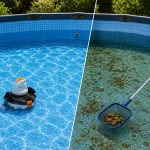
A saltwater pool can look perfectly healthy while its chlorine generator slowly loses efficiency. The water may still appear clear, but the system might be working harder to produce enough chlorine. One possible reason is an aging salt cell.
For many pool owners, the first warning comes from a low chlorine reading or a recurring system alert. The natural reaction is to wonder whether the cell needs cleaning or replacement.
So, how long does a salt cell last? Most salt cells have an expected lifespan of approximately 3–7 years, depending on usage, water chemistry, and maintenance. However, this is an estimate, not a replacement deadline.
Understanding how these components work can help homeowners avoid unnecessary expenses. It also makes it easier to recognize problems before they affect pool water quality.
Key Takeaways
- A salt cell typically lasts around 3–7 years, although actual lifespan varies by system and operating conditions.
- Calcium buildup, incorrect salt levels, and poor water chemistry can affect cell performance.
- Low chlorine production does not always mean the cell has failed.
- Regular inspections and proper cleaning can help maintain the system.
- Replacement decisions should consider the cell’s condition, operating history, and manufacturer recommendations.
How Long Does a Salt Cell Last?
A salt cell generally lasts between 3 and 7 years under normal operating conditions. Some may need replacement sooner, while others can continue working longer with suitable care.
A salt cell is the part of a salt chlorine generator that converts dissolved salt into chlorine. This process helps sanitize pool water and control unwanted microorganisms.
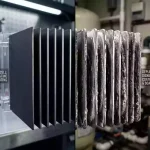
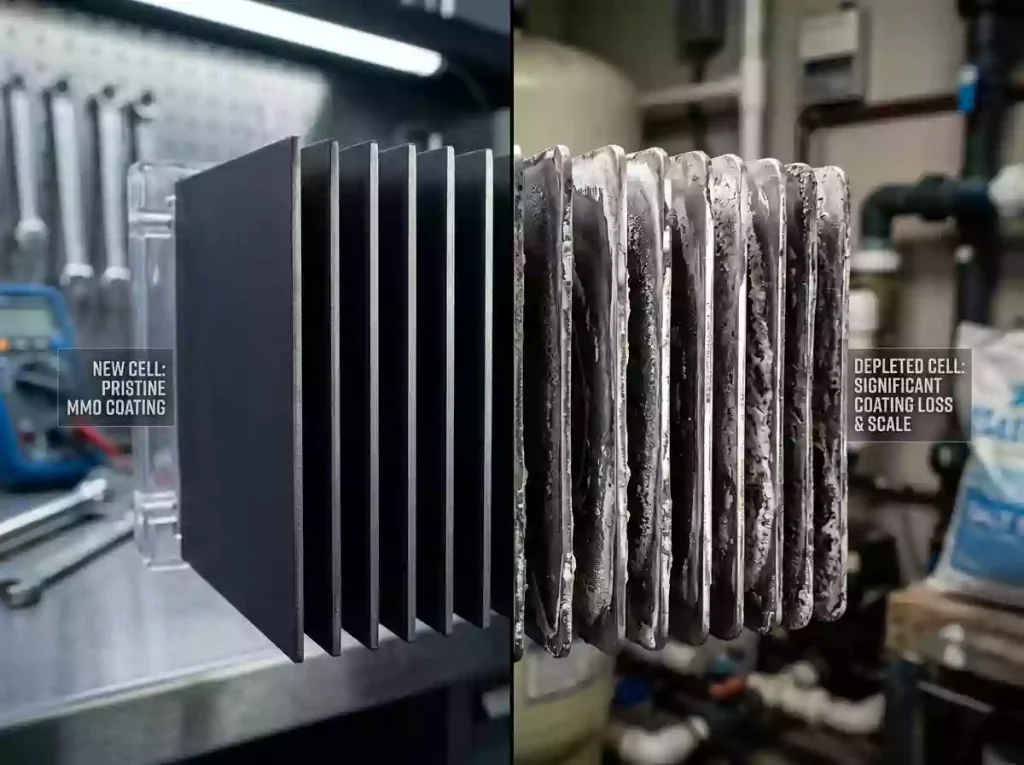
Inside the cell are specially coated metal plates. Electricity passes through these plates to support chlorine production. Over time, the active coating gradually wears down.
This wear is a normal part of operation. Cleaning can remove mineral deposits, but it cannot restore a coating that has worn away.
The manufacturer’s operating guide is an important reference. For example, one salt chlorine generator installation and user guide describes a cell designed for approximately 10,000 operating hours, or five years of average use.
That example shows why operating hours matter alongside calendar age.
What Affects Salt Cell Lifespan?
Not every saltwater pool places the same demands on its chlorination system. Several conditions can influence how quickly a cell wears out.
1. Water Chemistry
Water chemistry plays an important role in salt cell maintenance. Unbalanced water can encourage mineral deposits and interfere with normal operation.
Calcium hardness and pH deserve particular attention. When conditions encourage scaling, white mineral deposits can form on the cell plates.
These deposits may reduce contact between the water and the plates. The system can then struggle to produce chlorine efficiently.
Regular water testing helps identify problems before they become harder to manage.
2. Salt Levels
Salt chlorine generators need an appropriate salt concentration to operate correctly.
When salt levels fall below the manufacturer’s recommended range, chlorine production may decrease. Incorrect salt levels can also contribute to equipment problems.
Adding more salt without testing first is not a good solution. Excessive salt can create additional issues and may affect other pool components.
3. Operating Hours
A salt cell experiences wear while producing chlorine. Pools that require longer operating periods or higher chlorine output may place greater demands on the cell.
For example, a pool with heavy swimming activity may need more chlorine than one used occasionally.
The correct output depends on pool conditions, not simply the highest available setting.
4. Cleaning and Maintenance
Mineral deposits can collect between the cell plates. If these deposits become excessive, chlorine production may suffer.
However, cleaning too frequently can also cause problems. Strong cleaning solutions and unnecessary acid treatments may damage the protective coating.
Following the manufacturer’s cleaning instructions is essential.
5. Pool Usage and Environmental Conditions
Hot weather, sunlight, heavy rainfall, and frequent swimming can change chlorine demand.
When chlorine demand increases, the system may need to operate longer or produce more chlorine. This can contribute to additional cell wear over time.
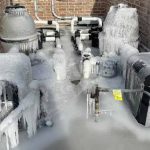
Indianapolis homeowners should also consider seasonal pool use. Proper opening, closing, and winter preparation help protect pool equipment during changing temperatures.
What Are the Warning Signs of a Bad Salt Cell?
A salt cell rarely becomes ineffective without giving some indication that something is wrong. Recognizing these signs can help pool owners investigate the problem early.
1. The Pool Has Low Chlorine Levels
One of the most noticeable warning signs is consistently low chlorine.
The generator may appear to be running, but the water test shows insufficient chlorine. This can happen when the cell is worn or unable to produce enough sanitizer.
However, low chlorine can also result from incorrect salt levels, poor circulation, or increased chlorine demand.
2. The System Displays Repeated Warning Lights
Salt chlorine generators often have indicator lights or diagnostic messages.
These alerts may point to problems involving salt concentration, water flow, temperature, or cell performance.
A warning light should not automatically be treated as proof of cell failure. Checking the manufacturer’s troubleshooting instructions is a better first step.
3. White Calcium Deposits Appear on the Cell Plates
White, crusty deposits between the plates can indicate calcium buildup.
Some mineral deposits are normal during operation. However, excessive buildup can interfere with chlorine production.
If deposits return quickly after cleaning, the pool’s water chemistry may need attention.
4. Chlorine Production Becomes Inconsistent
A salt cell that produces chlorine inconsistently may need inspection.
Pool owners might notice that chlorine levels drop even when the system appears to operate normally.
Before assuming the cell has reached the end of its life, other possible causes should be checked.
5. Cleaning Does Not Improve Performance
Sometimes, removing mineral deposits restores normal operation.
However, if a clean cell continues to produce insufficient chlorine under suitable operating conditions, the internal coating may have worn down.
At that stage, professional testing can help determine whether replacement is necessary.
How Much Does Salt Cell Replacement Cost?
The salt cell replacement cost depends on the equipment and installation requirements. There is no single price that applies to every saltwater pool.
Some replacement jobs involve a straightforward cell change. Others may require additional inspection, troubleshooting, or electrical and plumbing work.
Several factors influence the final expense.
| Cost factor | Why it matters |
| Cell model | Different systems require specific replacement components |
| Pool size | Larger pools may require higher-capacity equipment |
| System compatibility | The replacement must match the existing generator |
| Installation labor | Additional work can increase the overall expense |
| Equipment condition | Damaged connections or related components may need attention |
| Warranty coverage | Eligible equipment may have different replacement terms |
Should Pool Owners Repair or Replace a Salt Cell?
The decision depends on the actual problem.
If mineral buildup is affecting performance, proper cleaning may help. If the issue involves low salt, poor circulation, or incorrect water chemistry, correcting those conditions may restore chlorine production.
However, worn internal coatings cannot simply be cleaned back into their original condition.
A replacement may be the more practical option when the cell has reached the end of its useful life.
Before purchasing a new component, homeowners should confirm compatibility with the existing system. They should also check the warranty and manufacturer recommendations.
Can You Clean a Salt Cell Instead of Replacing It?
Yes, cleaning can help when calcium deposits or debris are affecting the cell. However, cleaning cannot repair physical damage or restore worn internal coatings.
The important thing is to identify what is causing the performance problem.
When Does a Salt Cell Need Cleaning?
A cell may need inspection when:
- White mineral deposits are visible between the plates.
- The system displays an inspection warning.
- Chlorine production has decreased.
- The manufacturer recommends a routine inspection.
- Water chemistry has created conditions that encourage scaling.
Not every cell needs frequent manual cleaning. Some systems include automatic cleaning features that help reduce mineral buildup.
How Should a Salt Cell Be Cleaned?
Cleaning procedures vary by equipment model. Homeowners should always follow the manufacturer’s instructions.
A sensible general approach includes:
- Turn off the equipment: Disconnect power according to the manufacturer’s safety instructions before handling the cell.
- Inspect the plates: Look for visible calcium deposits, debris, or signs of physical damage.
- Remove loose deposits: Use the approved rinsing method when suitable.
- Follow cleaning instructions: Use a cleaning solution only when the manufacturer specifically recommends it.
- Reinstall and check: Restore the equipment according to instructions and monitor its operation.
Acid cleaning requires particular care. Unnecessary acid exposure can shorten cell life, and incorrect handling creates safety risks.
Never scrape the plates with sharp or metal tools. This can damage their protective coating.
How to Extend the Life of a Pool Salt Cell
Good maintenance cannot prevent normal wear forever. However, it can help prevent avoidable problems and support consistent chlorine production.
A few simple habits can help homeowners protect their saltwater systems and avoid unnecessary equipment issues.
Test water chemistry regularly: Check pH, calcium hardness, and chlorine levels during routine pool care. Unbalanced water can encourage mineral buildup and affect salt cell performance.
Monitor salt levels: Check salt concentration whenever the system displays an alert or chlorine production changes. Always compare readings with the manufacturer’s recommended range before adding more salt.
Inspect the salt cell: Look for visible calcium deposits, debris, or physical damage. Follow the manufacturer’s recommendations for inspection frequency rather than waiting for the system to stop working.
Clean only when necessary: Remove mineral buildup using the cleaning method recommended for the specific cell. Avoid unnecessary acid treatments because excessive cleaning can damage the protective coating.
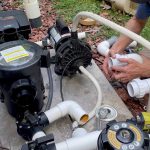
Check water circulation: Make sure water flows properly through the system. Poor circulation can trigger warnings and interfere with chlorine production, even when the salt cell itself is working correctly.
Review system settings: Adjust chlorine output according to pool size, swimming activity, and sanitizer demand. Running the system at unnecessarily high settings may increase operating hours and contribute to cell wear.
These habits help keep the system working under suitable conditions. Consistent inspections also make it easier to identify small problems before they become expensive equipment concerns.
A Simple Maintenance Framework: Test, Inspect, Adjust, Monitor
Homeowners can use four basic steps to keep their saltwater systems in better condition.
Test: Check the pool water regularly. Pay attention to salt concentration, pH, chlorine, and calcium hardness.
Inspect: Examine the generator, cell, and surrounding equipment for visible problems or warning messages.
Adjust: Correct water chemistry and system settings according to manufacturer guidance.
Monitor: Check chlorine readings and system performance after making adjustments. If problems continue, arrange a professional inspection.
This approach helps distinguish routine maintenance issues from equipment that may need replacement.
Common Salt Cell Maintenance Mistakes to Avoid
Even well-maintained pools can develop equipment problems when small issues go unnoticed.
Here are some common mistakes worth avoiding.
- Cleaning without checking: Not every warning means the cell needs cleaning. Diagnose the problem first.
- Ignoring water chemistry: Poorly balanced water can encourage scale formation and affect system performance.
- Adding salt unnecessarily: Always test salt concentration before making adjustments.
- Using harsh cleaning methods: Excessive acid exposure can damage the cell’s protective coating.
- Ignoring warning lights: Repeated alerts deserve attention rather than repeated resets.
- Replacing equipment too early: Other system problems can create symptoms similar to cell failure.
A salt cell should not be replaced simply because it is several years old. Its condition and performance matter more than age alone.
A Real-World Example: When a Salt Cell May Not Be the Problem
Imagine an Indianapolis homeowner notices that the pool’s chlorine reading keeps dropping.
The salt generator displays a warning, so the homeowner assumes the cell has failed. A replacement seems like the obvious next purchase.
However, an inspection reveals mineral deposits between the cell plates and water chemistry that needs correction.
After addressing the underlying maintenance issues, the system may perform better without immediate replacement.
This example highlights an important point. Salt chlorine generator troubleshooting should begin with identifying the cause, not automatically purchasing new equipment.
If cleaning and proper adjustments do not restore performance, further testing can determine whether the cell has reached the end of its useful life.
When Should Pool Owners Hire a Professional?
Some salt cell problems are manageable through routine maintenance. Others require a closer look at the generator, electrical connections, water circulation, and overall pool equipment.
Professional assistance makes sense when:
- Chlorine levels remain low despite proper water chemistry.
- The generator repeatedly displays warning messages.
- The cell has visible damage or persistent deposits.
- Cleaning does not improve chlorine production.
- The system stops operating or produces inconsistent results.
- The homeowner cannot identify the source of the problem.
For Indianapolis homeowners, Pool Equipment Maintenance in Indianapolis, IN can help identify equipment concerns and support a consistent pool care routine.
An equipment inspection can also help determine whether the issue involves the salt cell or another part of the circulation and sanitation system.
Conclusion
A salt cell is an important part of maintaining a saltwater swimming pool. Although it gradually wears out, proper care can help homeowners avoid unnecessary replacement expenses.
Understanding How Long Does a Salt Cell Last also means looking beyond its age. Water chemistry, operating conditions, cleaning habits, and system performance all matter.
Homeowners who recognize early warning signs can address problems before they affect the entire pool. When routine maintenance no longer solves the issue, a professional inspection can help identify the next practical step.
For homeowners who need help evaluating pool equipment concerns, Feathers Bros Pool Service provides pool maintenance support in Indianapolis. Call 317-522-8148 or 463-287-0096, email [email protected].
FAQ
1. How Long Does a Salt Cell Last in a Saltwater Pool?
Most salt cells have an expected lifespan of approximately 3–7 years. Actual service life depends on operating hours, water chemistry, equipment settings, and maintenance.
2. How Do You Know When a Salt Cell Needs Replacing?
Common warning signs include consistently low chlorine production, repeated system alerts, visible damage, and poor performance after proper cleaning. A professional inspection can help confirm whether replacement is necessary.
3. How Often Should a Salt Cell Be Cleaned?
There is no universal cleaning schedule. Cleaning frequency depends on mineral buildup, water conditions, and the manufacturer’s recommendations. Inspecting the cell regularly helps identify when cleaning is necessary.
4. Can a Salt Cell Stop Producing Chlorine Suddenly?
Yes, chlorine production can stop or decrease because of equipment faults, incorrect salt levels, poor water flow, or other system problems. A worn cell is another possible cause.
5. Is It Worth Replacing an Old Salt Cell?
Replacement may be worthwhile when the cell has reached the end of its useful life and can no longer produce enough chlorine. However, homeowners should rule out cleaning, water chemistry, and circulation problems first.