
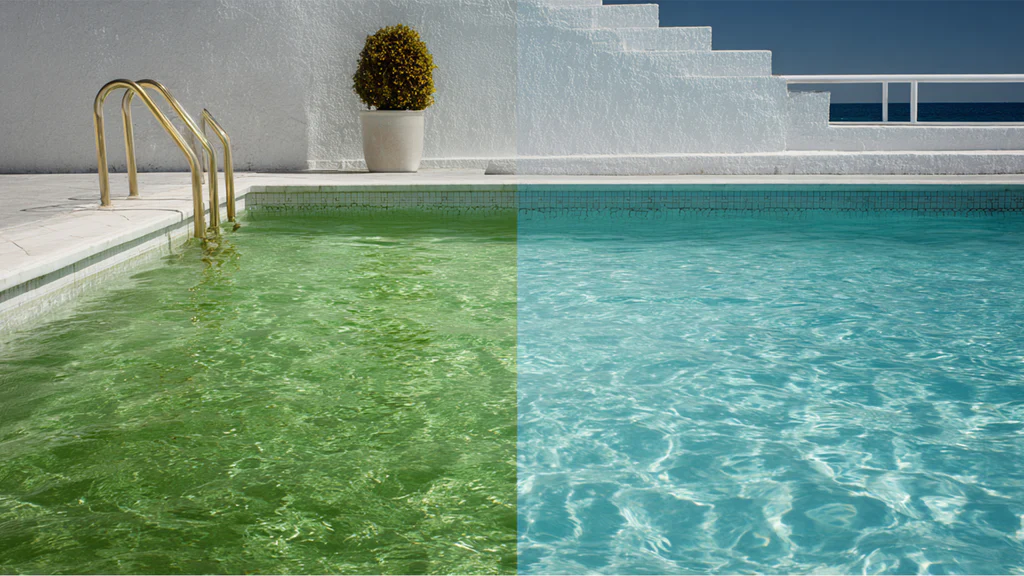
You step outside on a warm weekend morning, ready for a relaxing swim, but your pool no longer looks inviting. The water has a green tint, the walls feel slippery, or strange dark spots have appeared on the surface. Many pool owners experience this moment of confusion because not all algae problems look the same, and not every treatment works for every type.
Understanding Types of Pool Algae is the first step toward bringing your pool back to life. Different algae varieties grow for different reasons, and identifying the problem correctly can save time, money, and frustration.
Key Takeaways
- Pool algae come in different forms, including green algae, mustard algae, and black algae.
- Proper identification helps determine the most effective treatment approach.
- Balanced water chemistry, filtration, and regular maintenance are essential for preventing algae growth.
- Professional pool care can help identify recurring problems and maintain healthier water conditions.
What Are the Different Types of Pool Algae?
Types of pool algae refer to the various algae species that can grow in swimming pools when conditions allow them to multiply. The most common varieties are green algae, mustard (yellow) algae, and black algae, each requiring a different approach for removal.
Algae are simple organisms that thrive when pools have poor circulation, low sanitizer levels, warm temperatures, or unbalanced water conditions. While algae itself may seem like a cosmetic issue, it can quickly affect water clarity and make pool surfaces slippery.
Many homeowners assume that adding chlorine alone will solve every algae issue. However, successful treatment begins with understanding what type of algae is present and why it developed in the first place.
Why Pool Algae Problems Happen
A clean pool depends on several systems working together. When one part of that system becomes inconsistent, algae can take advantage of the opportunity.
Common causes of algae growth include:
- Insufficient chlorine or sanitizer levels
- Poor water circulation from pump or filtration issues
- Infrequent brushing and cleaning
- Incorrect pool water chemistry balance
- Warm weather and extended sunlight exposure
A pool does not become problematic overnight. Often, algae growth starts with small changes that go unnoticed, such as slightly cloudy water or a small patch developing on a wall. Addressing these early signs can prevent a larger algae bloom.
The Three Main Types of Pool Algae You Should Know
1. Green Algae: The Most Common Pool Algae Problem
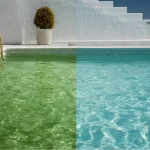
Green algae is the type most pool owners recognize. It can make the water appear cloudy, green, or completely discolored during severe growth. It may also create a slippery coating on pool walls, steps, and floors.
Green algae usually develops when chlorine levels drop or circulation becomes inadequate. Because it spreads quickly, early action is important.
Effective treatment often includes:
- Testing and correcting water chemistry
- Brushing pool surfaces thoroughly
- Cleaning or backwashing the filtration system
- Applying appropriate pool algae treatment methods
2. Mustard Algae: The Yellow-Brown Challenge
Mustard algae, sometimes called yellow algae, often looks like dirt or pollen collecting in corners, shaded areas, or on pool walls. This appearance can make it difficult to identify.
Unlike simple debris, mustard algae can return if the underlying issue is not corrected. Proper cleaning, water balancing, and targeted treatment are important parts of effective mustard algae treatment.
One common mistake is assuming that vacuuming alone removes the problem. While cleaning helps, mustard algae often requires a more complete approach.
3. Black Algae: The Most Persistent Variety
Black algae is often considered one of the most difficult algae problems because it can attach firmly to pool surfaces. It commonly appears as small dark spots, especially in areas with rough or porous materials.
Black algae removal usually requires patience because the growth may have deeper roots within the surface. Scrubbing, maintaining proper sanitizer levels, and consistent care are often necessary to prevent it from returning.
A Simple Framework for Pool Algae Identification and Treatment
When dealing with algae, use this simple three-step framework:
Step 1: Identify the Appearance
Look at the color, location, and texture.
- Green water or slimy surfaces may indicate green algae.
- Yellow-brown dust-like patches may suggest mustard algae.
- Dark spots attached to surfaces may indicate black algae.
Step 2: Check Your Pool Conditions
Review:
- Chlorine levels
- pH balance
- Filtration performance
- Circulation patterns
- Cleaning schedule
This helps reveal why algae developed.
Step 3: Treat and Prevent Recurrence
After treatment, focus on prevention. Regular brushing, proper filtration, and consistent water testing reduce the chance of future algae problems.
Pool Algae Identification: Common Signs and Solutions
Practice | When it helps | Simple cue | Mistake |
Water testing | Before and after treatment | Check chemistry regularly | Adding chemicals without testing |
Brushing surfaces | Early algae growth | Brush walls and corners | Only cleaning visible areas |
Filtration maintenance | Cloudy or dirty water | Keep circulation strong | Ignoring filter problems |
Regular cleaning | Long-term prevention | Follow a routine schedule | Waiting until algae appears |
How to Prevent Pool Algae Growth
Prevention is often easier than removing an established algae problem. A consistent maintenance routine keeps your pool environment less attractive to algae.
Important prevention steps include:
- Maintain proper sanitizer levels.
- Keep pool water chemistry balanced.
- Brush areas where circulation is weaker.
- Clean filters according to manufacturer recommendations.
- Remove leaves, debris, and organic material regularly.
A pool does not need complicated care to stay healthy. Small, consistent actions usually make the biggest difference.
Common Misconceptions About Pool Algae
“Clear water means there is no algae.”
Not always. Early algae growth may exist before water becomes visibly green or cloudy.
“More chemicals always fix algae.”
Using excessive chemicals without understanding the cause may create additional water balance problems. Effective pool algae treatment depends on identifying the issue first.
“All algae can be treated the same way.”
Different algae types respond differently. Knowing the difference between green algae, mustard algae, and black algae helps create a more effective solution.
A Realistic Pool Owner Scenario
Imagine a homeowner who notices a few green patches forming along the pool steps after a period of hot weather. Instead of ignoring it, they test the water, discover the sanitizer level is low, clean the filter, and brush the affected areas.
Because the problem was caught early, they avoid a major algae outbreak. This example shows why regular observation matters. Small changes in your pool can provide important clues before the issue becomes expensive or time-consuming.
Why Professional Pool Care Can Make a Difference
Some algae problems continue returning because the visible growth is treated while the underlying cause remains unresolved. Professional pool technicians understand how circulation, filtration, and chemistry work together.
At Feathers Bros Pool Service, experienced pool care focuses on maintaining clean, balanced, and enjoyable swimming environments. Routine maintenance and proper problem identification can help homeowners spend less time troubleshooting and more time enjoying their pools.
For homeowners looking for reliable maintenance support, Pool Regular Cleanings in Indianapolis, IN can help maintain consistent water quality and reduce the chances of recurring algae issues.
As the famous saying from Benjamin Franklin goes, “An ounce of prevention is worth a pound of cure.” This idea applies perfectly to pool care—regular attention often prevents bigger problems later.
Frequently Asked Questions About Pool Algae
1. What are the main types of pool algae?
The most common Types of Pool Algae are green algae, mustard algae, and black algae. Each type has different characteristics and treatment requirements.
2. How can I remove algae from my pool?
To learn how to remove pool algae, start by identifying the algae type, testing water chemistry, cleaning the pool surfaces, and improving circulation and filtration.
3. How often should I check my pool for algae?
Regular inspections are recommended, especially during warm weather when algae growth can happen more quickly. Checking water conditions weekly can help catch early warning signs.
4. Can professional pool services help prevent algae problems?
Yes. Professional services can help maintain water chemistry, cleaning routines, and equipment performance to support better swimming pool algae control.
5. Why does my pool algae keep coming back?
Recurring algae may be caused by poor circulation, inconsistent maintenance, unbalanced water chemistry, or incomplete treatment. Finding the underlying cause is essential for long-term prevention.
Conclusion
Understanding the Types of Pool Algae helps homeowners recognize problems early and choose the right solution. Whether you are dealing with green algae, mustard algae, or black algae, proper identification, balanced water chemistry, and consistent maintenance are the foundation of effective pool care.
With the right approach to pool algae prevention, you can protect your investment, maintain clearer water, and enjoy a healthier swimming environment throughout the season.
Summary
Pool algae problems are easier to manage when you know what type of algae you are dealing with. Green, mustard, and black algae each have unique characteristics and require different treatment strategies. Regular maintenance, proper water balance, and professional guidance when needed can help prevent algae from taking over your pool. By understanding the warning signs and acting early, you can keep your pool cleaner, clearer, and ready for swimming.